Event Types / Convention Services Dallas: Comprehensive Planning for DFW Conventions

Convention Services Dallas: Comprehensive Planning for DFW Conventions

Coordinate orderly convention services across selected Dallas-Fort Worth rooms, from dock access at the Kay Bailey Hutchison Convention Center Dallas to utility setups at major exhibition halls, ensuring operational efficiency for large-scale gatherings.

Convention Services formatConvention planning balances exhibitor services
Room cueKay Bailey Hutchison Convention Center Dallas
Support loadPlanning Freight and Dock Operations
Convention Services in Dallas visual for Exhibit House of DallasEvent Type

Planning Freight and Dock Operations

At the heart of convention services lies the management of freight through venue docking systems, particularly at the Kay Bailey Hutchison Convention Center Dallas, which features extensive dock facilities designed for heavy exhibit loads during major conventions. Planners submit advance dock reservation requests, specifying trailer dimensions and unloading times to align with the center's marshaling yard protocols, where union labor oversees the transition from trucks to exhibit floor via elevators and pass-throughs. This process accommodates everything from crated booth modules to palletized promotional displays, ensuring that high-value items receive protected handling amid the simultaneous arrivals typical of events drawing over 10,000 participants.

Dock operations extend beyond initial delivery, incorporating return freight pickups scheduled post-dismantle, with strict cut-off times enforced to clear halls for the next booking. In parallel venues like Dallas Market Hall, freight coordination adapts to more compact loading zones, requiring planners to stagger deliveries and utilize temporary storage if on-site space constraints arise during overlapping apparel or gift shows. Comprehensive planning includes insurance verification for all shipments, as venues mandate certificates naming the facility as additional insured to cover potential damages during the high-activity periods of convention week.

  • Dock reservation forms due 30 days prior for priority assignment
  • Marshaling yard usage for pre-event staging of oversized freight
  • Elevator weight limits strictly enforced at 5,000 pounds per load
  • Return freight manifests required 24 hours before load-out commencement

Utility Procurement and Exhibit Power Needs

Utilities form a critical backbone of convention services, with exhibitors at the Kay Bailey Hutchison Convention Center Dallas ordering electrical services, telecommunications lines, and compressed air through the venue's centralized system weeks ahead of move-in. Power requirements vary by booth size, from standard 20-amp circuits for lighting displays to 200-amp high-leg services for interactive kiosks, all wired by approved contractors to comply with National Electrical Code standards and local inspections. Planners calculate total amperage based on equipment lists, factoring in surge protection for sensitive electronics amid the convention's continuous operational demands.

Drainage and water hookups support beverage stations or demo areas, while fiber optic internet ensures reliable connectivity for lead capture apps during peak attendee hours. At properties like the Omni Dallas Hotel, utility planning integrates with ballroom configurations, where planners coordinate floor box locations to minimize cable runs across high-traffic aisles. Advance metering deposits secure service activation, refunded post-event upon meter reads confirming no excesses, underscoring the need for specific forecasting to control ancillary costs in convention budgets.

Telecom services include dedicated lines for badge scanners and Wi-Fi boosters, ordered via service partner portals that streamline quotes and installations synchronized with exhibit builds.

Convention Service Partner Timing

Venues such as the Kay Bailey Hutchison Convention Center Dallas maintain lists of designated service partners for convention services, ensuring that all labor-intensive tasks like booth construction, signage suspension, and carpet laying adhere to facility standards and union agreements. Planners select from these pre-vetted providers, submitting service orders that detail scope from Pad and Carpet installations to custom millwork fabrication, all executed within designated labor windows to avoid premium rates. This partnership model guarantees familiarity with venue quirks, such as floor load capacities in exhibit halls and fire safety clearances for draped structures.

Coordination with service partners involves joint walkthroughs during advance warehousing periods, where teams review blueprints against hall diagrams to preempt conflicts with neighboring exhibits. For Dallas Market Hall events, partners handle apparel rack setups and lighting grids, adapting to the hall's vintage infrastructure while meeting modern AV integration needs. Comprehensive contracts outline liability shifts, with partners assuming responsibility post-delivery to the exhibit floor, allowing planners to focus on attendee experience enhancements.

Service partner engagement extends to crisis response, providing rapid fixes for utility outages or structural adjustments during live conventions, backed by 24/7 hotlines listed in exhibitor manuals.

  • Exclusive lists published on venue websites for compliance
  • Labor call times start at 7 AM for standard move-in days
  • Engineering stamps required for loads over 500 pounds
  • Invoices processed through venue portals for deposit offsets

Exhibit Installation and Customization Timelines

Convention service timelines at the Kay Bailey Hutchison Convention Center Dallas dictate a structured move-in sequence, commencing with general contractor access 72 hours prior for island booth framing, followed by 48-hour electrical rough-ins and 24-hour final touches. Planners synchronize these phases with dock arrivals, allocating buffer time for elevator queues and aisle inspections that verify 10-foot clearance minima. Custom elements like tension fabric graphics or modular counters receive priority sequencing to align with attendee previews, preventing last-minute scrambles amid the convention's compressed setup calendar.

Dismantle reverses this order, with hard-wall removals first to expose floors for carpet extraction, all concluding within eight-hour load-out windows to release security deposits. At the Fashion Industry Gallery, installations cater to fashion-forward displays, incorporating runway lighting and mannequin rigging within tighter footprints, where service crews navigate multi-level galleries without disrupting ongoing tenant operations. Planners embed contingency hours for weather delays impacting trucking from regional suppliers, ensuring exhibit readiness coincides with registration openings.

Customization thrives on pre-approved samples submitted during order phases, allowing minor on-site tweaks under partner supervision while upholding structural integrity across diverse convention formats from tech expos to medical assemblies.

  • 72-hour advance for complex islands over 400 sq ft
  • Aisle monitors enforce non-obstructive builds
  • Fire-retardant certifications checked at entry
  • Overtime accrues after 5 PM weekdays

Material Handling and Protective Measures

Material handling in convention services prioritizes protection during transport and setup, with padded blankets wrapping furniture at docks like those at the Kay Bailey Hutchison Convention Center Dallas, transitioning to foam corner guards on exhibit components through congested hallways. Planners specify handling instructions on cartons, dictating fork-lift paths for pallets exceeding 48 inches high, while empty crate storage in designated zones prevents floor clutter during peak install traffic. Rates tier by weight and distance, incentivizing consolidated shipments to optimize costs in multi-booth campaigns.

Carpet and padding services cover aisles and booth floors, with 6mm sponge underlay standard to cushion high-heel traffic and protect underlying hall surfaces from scuffs. At Hyatt Regency Dallas conventions, handling extends to ballroom risers, where crews deploy ramps and straps for podium deliveries, coordinating with housekeeping for orderly transitions. Post-install, shrink-wrap secures loose elements against vibration from adjacent demos, with final walk-throughs confirming zero protrusions into fire lanes.

Skilled handlers trained in fragile item protocols manage glass cases and electronics, logging Chain of Custody forms that trace accountability from dock to dismantle, vital for high-stakes pharmaceutical or automotive conventions.

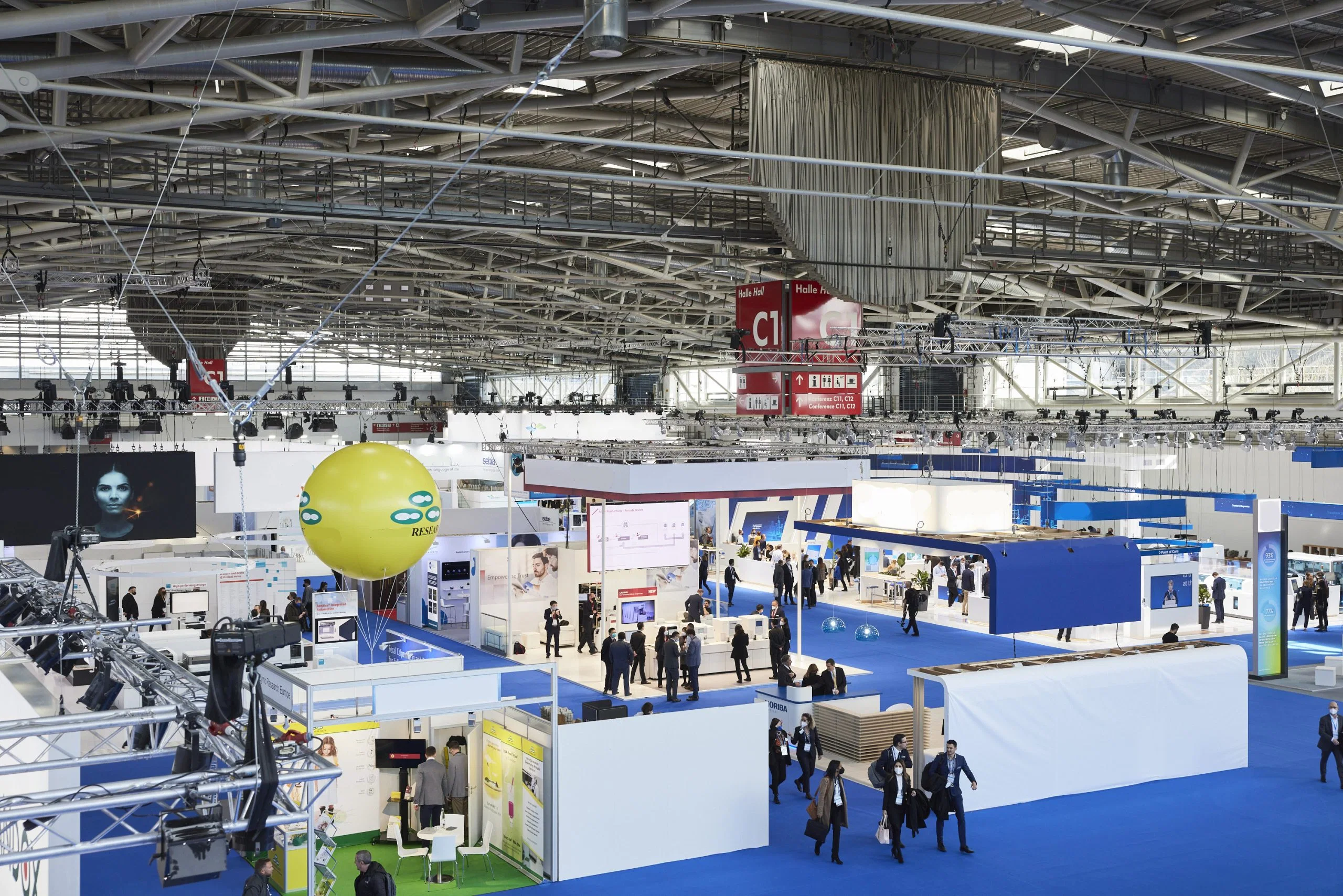
Facility-specific Adaptations in DFW

Dallas-Fort Worth convention services tailor to venue clusters, with the Kay Bailey Hutchison Convention Center Dallas offering vast column-free halls ideal for national gatherings, contrasting the boutique scale of Fashion Industry Gallery suited for niche trade gatherings. Planners adjust freight manifests for the convention center's 20-plus docks versus Market Hall's streamlined bays, incorporating GPS tracking for real-time visibility in sprawling parking logistics. Hotel venues like Omni Dallas Hotel blend exhibit services with meeting room hybrids, requiring dual-path utilities snaking from loading zones to skybridge-accessed ballrooms.

Irving Convention Center at Las Colinas introduces suburban efficiencies, with dedicated freight elevators serving mid-sized conventions less burdened by downtown congestion. Grapevine’s Gaylord Texan Resort integrates services across 1.5 million feet, where water taxi deliveries supplement truck docks for island exhibits near atriums. These adaptations demand venue diagramming in planning software, cross-referencing load-in maps with service partner capabilities to forecast bottlenecks proactively.

Operational notes from exhibitor guides emphasize advance plumbing locates at all sites, preventing costly relocations during builds and ensuring drainage readiness for interactive hydration stations or lab simulations.

  • Column spacing varies: 400 sq ft at KBHCCD
  • Skybridge freight at hotels cuts exposure
  • Water taxi slots book early at resorts
  • Local fire marshal pre-approvals per site

Post-Convention Breakdown and Audits

Efficient breakdown phases cap convention services, reclaiming deposits through prompt hall vacuums and dock clearances at the Kay Bailey Hutchison Convention Center Dallas, where crews extract carpet tacks and dismantle truss systems under timed supervision. Planners oversee final sweeps, documenting exhibit integrity before crating to mitigate damage claims, with digital inventories syncing to carrier bills of lading for outbound tracking. Oversized remnants route to bonded storage if immediate pickup lags, bridging to next-event prep.

Audits verify utility disconnects and floor restorations, triggering refunds within billing cycles that planners budget as cash-flow bridges. At Dallas Market Hall, breakdowns accommodate rapid-turn gift marts, compressing processes to four hours per bay while preserving display fixtures for recurring tenants. Comprehensive debriefs capture lessons on partner performance, refining future service orders for scaled efficiencies across DFW rotations.

FAQ

Convention Services FAQs

How far in advance should dock reservations be made for Kay Bailey Hutchison Convention Center Dallas conventions?

Dock reservations at the Kay Bailey Hutchison Convention Center Dallas should be submitted at least 30 days prior to move-in to secure priority assignments amid high-demand convention schedules, with detailed trailer specs ensuring smooth marshaling yard integration.

What utilities are typically ordered for convention exhibits?

Common utilities include electrical circuits from 20 to 200 amps, telecommunications for internet and phones, compressed air, and drainage lines, all ordered through venue portals well before install to meet inspection timelines.

Who handles official installations at DFW convention venues?

Designated service partners listed on venue sites like dallasconventioncenter.com manage installations, from carpeting to rigging, ensuring union compliance and engineering approvals.

What are standard move-in timelines for large conventions?

Move-ins start 72 hours ahead for complex booths, progressing through electrical rough-ins at 48 hours and finals at 24 hours, synchronized with dock operations.

How does material handling protect exhibits during transport?

Padded blankets, foam guards, and specified fork-lift protocols safeguard items from dock to floor, with Chain of Custody logs tracing high-value freight.

What happens during post-event breakdown?

Breakdowns reverse install sequences within eight-hour windows, including carpet removal and utility disconnects, followed by audits to release deposits promptly.

Start the conversation

Ready to Plan Your Convention

Connect with vetted coordinators for your DFW convention services. Get tailored timelines, partner quotes, and venue compliance checklists today.

Start your scope