Locations / Dallas TX: Authoritative Exhibit Planning for DFW Venues

Dallas TX: Authoritative Exhibit Planning for DFW Venues

Navigate the distinct operational requirements of Dallas venues and surrounding DFW districts with specific coordination plans tailored to each exhibition context.

Dallas roleDallas, TX
Nearest venue cueKay Bailey Hutchison Convention Center Dallas
Local pressureDowntown Dallas planning centers on KBHCCD
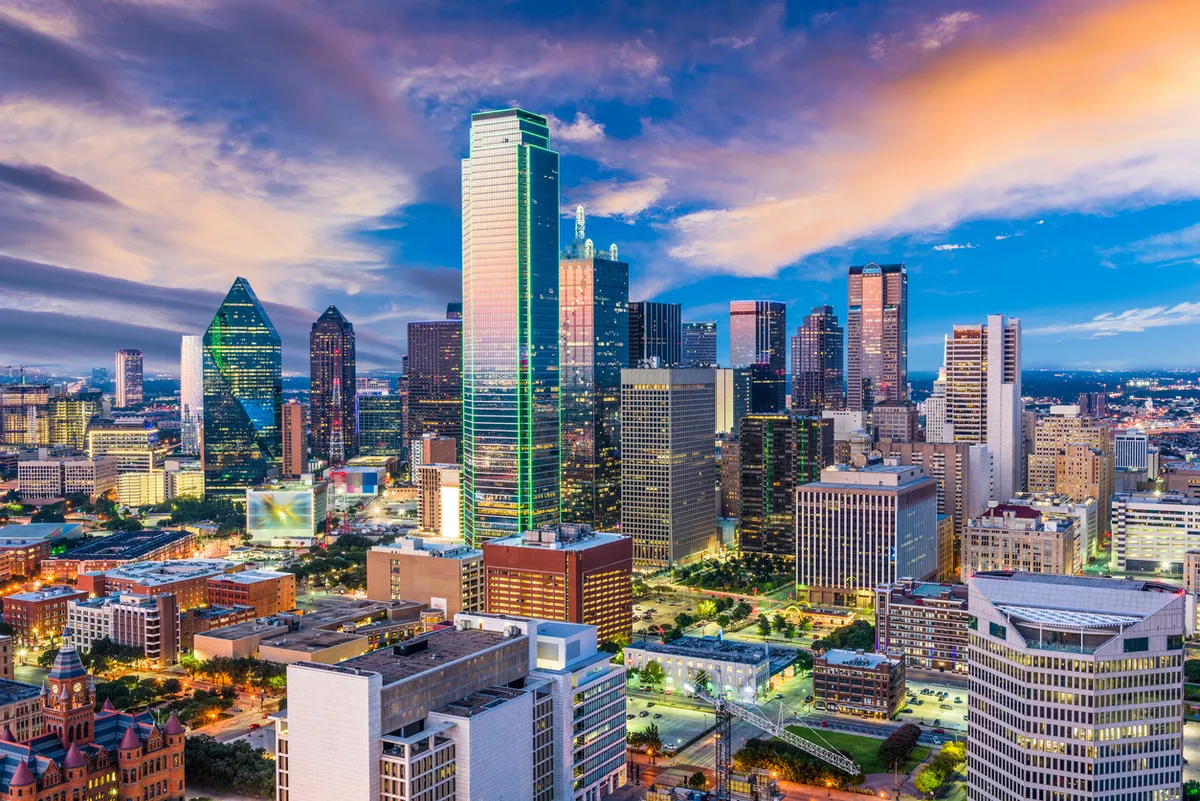
Dallas Trade Show Exhibits visual for Exhibit House of DallasLocation

Understanding the Dallas Exhibition Landscape

The city of Dallas operates within a broader DFW network where venue clusters serve different segments of the exhibition market. Downtown facilities concentrate on high-volume national shows while the Market Center district supports both wholesale trade and public consumer events. Northern corridors through Plano, Frisco, and Allen have developed conference infrastructure suited to corporate and technology-focused gatherings.

Each district carries observable differences in scale, accessibility, and supporting services. Proximity to DFW Airport or Dallas Love Field influences shipping and attendee logistics, while urban density in downtown areas contrasts with the campus-style settings found in suburban nodes. These factors shape decisions around exhibit scale, material transport, and on-site coordination timelines.

Successful planning accounts for overlapping event calendars that can affect hotel availability, labor resources, and traffic patterns throughout the metroplex. By mapping event objectives against these district characteristics early, organizers establish a foundation for more efficient execution across multiple days or multiple sites.

Kay Bailey Hutchison Convention Center Operational Framework

The Kay Bailey Hutchison Convention Center functions as the primary downtown Dallas facility for major trade shows and conventions. Its exhibitor resources outline structured procedures covering move-in, display installation, utility connections, and dismantle activities. Official documentation details service partner categories and technical specifications that exhibitors must follow to maintain compliance throughout the event cycle.

Utility services at the center include electrical, internet, plumbing, and telecommunications options, each governed by specific ordering deadlines and installation protocols published by the facility. Early submission of these requests helps secure appropriate connections and reduces the likelihood of scheduling conflicts during peak setup periods.

Dock and freight management follow designated schedules designed to handle the volume associated with large-scale exhibitions. The center provides guidance on acceptable vehicle types, staging areas, and material handling procedures that planners should incorporate when developing inbound and outbound logistics plans.

Exhibitors benefit from reviewing all available exhibitor materials in advance, including floor plans that identify column locations, ceiling heights, and utility drop points. This preparation supports accurate booth design and prevents adjustments during the critical installation window.

  • Map booth placement relative to nearest service points
  • Align installation schedule with official contractor windows
  • Document all technical specifications before arrival

Dallas Market Hall and Fashion Industry Gallery Specifics

Dallas Market Hall offers a single-level, column-free environment suited for consumer shows, trade exhibitions, and large-format displays. Its configuration supports efficient freight movement through expansive loading areas, making it appropriate for events requiring substantial material handling or oversized exhibits.

The Fashion Industry Gallery occupies a distinct position in the downtown Arts District, providing a more focused setting for industry-specific activations, product presentations, and boutique-scale exhibitions. Its urban context offers integration with surrounding cultural and professional resources that can enhance certain event types.

Planning considerations for these venues diverge from those at larger convention centers. Organizers must evaluate factors such as rigging capabilities, floor load limits, parking logistics, and adjacency to transit options when coordinating exhibits. These details influence both the physical design of displays and the sequencing of setup activities.

Coordination strategies should incorporate the distinct audience profiles and event cadences associated with each facility. Market Hall typically supports broader public or industry attendance while the Gallery often aligns with narrower professional communities.

  • Assess ceiling clearance and rigging requirements early
  • Evaluate loading dock dimensions against shipment profiles
  • Align event timing with published venue audience patterns
  • Incorporate neighborhood amenities into attendee planning

Venue Clusters in Surrounding DFW Municipalities

Arlington, Irving, Plano, Frisco, Grapevine, and Addison function as distinct extensions of the Dallas exhibition market, each with specialized facilities and operational contexts. Arlington's convention infrastructure connects with its sports and entertainment district, creating opportunities for hybrid events that leverage nearby attractions.

Irving's Las Colinas area emphasizes corporate and conference programming supported by proximity to DFW Airport, while Frisco has developed modern venues designed for technology and association events in a growing northern suburban setting. Grapevine combines hospitality venues with its historic district, offering differentiated environments for targeted activations.

These municipalities maintain individual planning parameters regarding permitted exhibit heights, utility provisions, loading access, and service contractor rules. Coordination across multiple jurisdictions requires attention to varying traffic corridors, hotel inventories, and local infrastructure that can affect overall event logistics.

Comparing these options against specific program needs allows planners to select locations that best match audience demographics, transportation preferences, and desired event scale. This district-level analysis often reveals advantages unavailable when limiting consideration to downtown Dallas alone.

  • Arlington for entertainment-district synergy
  • Irving for airport-adjacent corporate events
  • Frisco for modern northern conference facilities
  • Grapevine for hospitality-integrated programming

Logistics Coordination Across the Metroplex

DFW transportation infrastructure significantly influences exhibit planning, with major highways, airport cargo operations, and local delivery routes shaping material arrival strategies. Venues located near major thoroughfares may offer advantages in reduced transit time while downtown locations require more specific scheduling to navigate congestion.

Hotel properties such as the Omni Dallas Hotel present different logistical parameters than dedicated convention centers, particularly regarding limited loading docks, storage constraints, and integration with guest operations. These venues frequently host smaller-scale exhibits or supplemental programming that must align with the primary facility schedule.

Planning for multi-day events should incorporate buffer periods for potential delays caused by overlapping shows or regional weather patterns. Documentation of all shipment details, including carrier information and tracking protocols, supports smoother handoff between transportation providers and venue personnel.

Effective logistics plans treat the entire DFW area as an interconnected system rather than isolated sites. This perspective helps identify optimal staging locations, secondary storage options when permitted, and contingency routes that maintain schedule integrity.

Service Partner and Utility Coordination Protocols

The Dallas exhibition market includes established categories of service providers covering electrical, internet, audiovisual, rigging, and specialized installation needs. Venues typically publish information regarding approved or recommended partners for each category, allowing organizers to identify compatible resources efficiently.

Utility coordination requires understanding both the technical specifications available at each facility and the ordering processes that govern their allocation. Published resources from the Kay Bailey Hutchison Convention Center and similar venues detail these procedures, helping prevent misaligned expectations during setup.

Successful integration of multiple service elements depends on clear communication of exhibit requirements, specific scheduling of interdependent tasks, and documentation of all agreements. This becomes particularly relevant for complex displays incorporating technology, custom fabrication elements, or environmental features.

Early identification of all required services allows sufficient time for proposal comparison where multiple options exist and ensures alignment with published venue rules. This preparation reduces the potential for change orders or operational disruptions once the event period begins.

  • Reference venue-published service partner lists
  • Document all technical and power requirements
  • Schedule interdependent services with appropriate sequencing
  • Confirm compliance with individual venue regulations

Downtown Dallas Install Timeline Control

Comprehensive timelines for Dallas-area exhibitions extend from initial design validation through final material removal, incorporating all intermediate milestones for approvals, fabrication, shipping, and on-site activities. Each venue cluster imposes different constraints on these schedules based on its operational calendar and physical characteristics.

Installation and dismantle windows at major facilities follow structured patterns intended to accommodate multiple exhibitors while maintaining safety and efficiency standards. Understanding these patterns enables more accurate labor and equipment projections and helps avoid conflicts with adjacent booths or general session areas.

Events spanning multiple DFW municipalities introduce additional complexity around transportation between sites, synchronization of contractor schedules, and management of materials that must be repositioned. These scenarios benefit from detailed contingency planning and clearly assigned responsibilities for each phase.

Regular review points built into the master schedule allow for adjustment when unexpected variables arise, such as carrier delays or last-minute specification changes. This disciplined approach to timeline management consistently produces more predictable outcomes across varying exhibition scales and complexities.

FAQ

Frequently Asked Questions About Dallas TX Exhibit Planning

What are the main venue clusters serving the Dallas exhibition market?

Primary clusters include downtown Dallas with the Kay Bailey Hutchison Convention Center, the Market Center district featuring Dallas Market Hall and the Fashion Industry Gallery, and suburban nodes in Arlington, Irving, Frisco, Plano, and Grapevine, each with distinct operational characteristics and audience profiles.

How should exhibitors approach utility planning at the Kay Bailey Hutchison Convention Center?

Review the facility's published exhibitor resources for electrical, internet, plumbing, and telecommunications options. Submit requests according to specified lead times and map booth locations against available utility points to ensure proper alignment during installation.

Why does district differentiation matter when planning DFW events?

Each area presents different freight access, hotel density, traffic patterns, and venue capabilities. Downtown locations support large-scale events while northern suburbs may offer advantages for corporate or technology-focused programs with reduced congestion.

What logistics factors are unique to Dallas-area exhibitions?

The scale of the DFW transportation network, proximity to major airports, overlapping event calendars, and varying dock configurations across venues require integrated planning that accounts for regional infrastructure rather than treating sites in isolation.

When should planning begin for a Dallas trade show?

Coordination should start as early as possible to align with published venue deadlines for utility orders, service partner selection, freight scheduling, and design approvals. Complex exhibits or multi-venue programs benefit from even longer lead times.

How do surrounding municipalities complement downtown Dallas venues?

Cities such as Arlington, Irving, and Frisco provide alternative settings with newer facilities, specialized themes, or easier access for certain demographics. They expand options for events that may not require or may not suit the scale of the central convention center.

Start the conversation

Coordinate Your DFW Exhibition Strategy

Access structured planning resources tailored to Dallas venues and surrounding municipalities to align your next event with specific operational requirements.

Start your scope