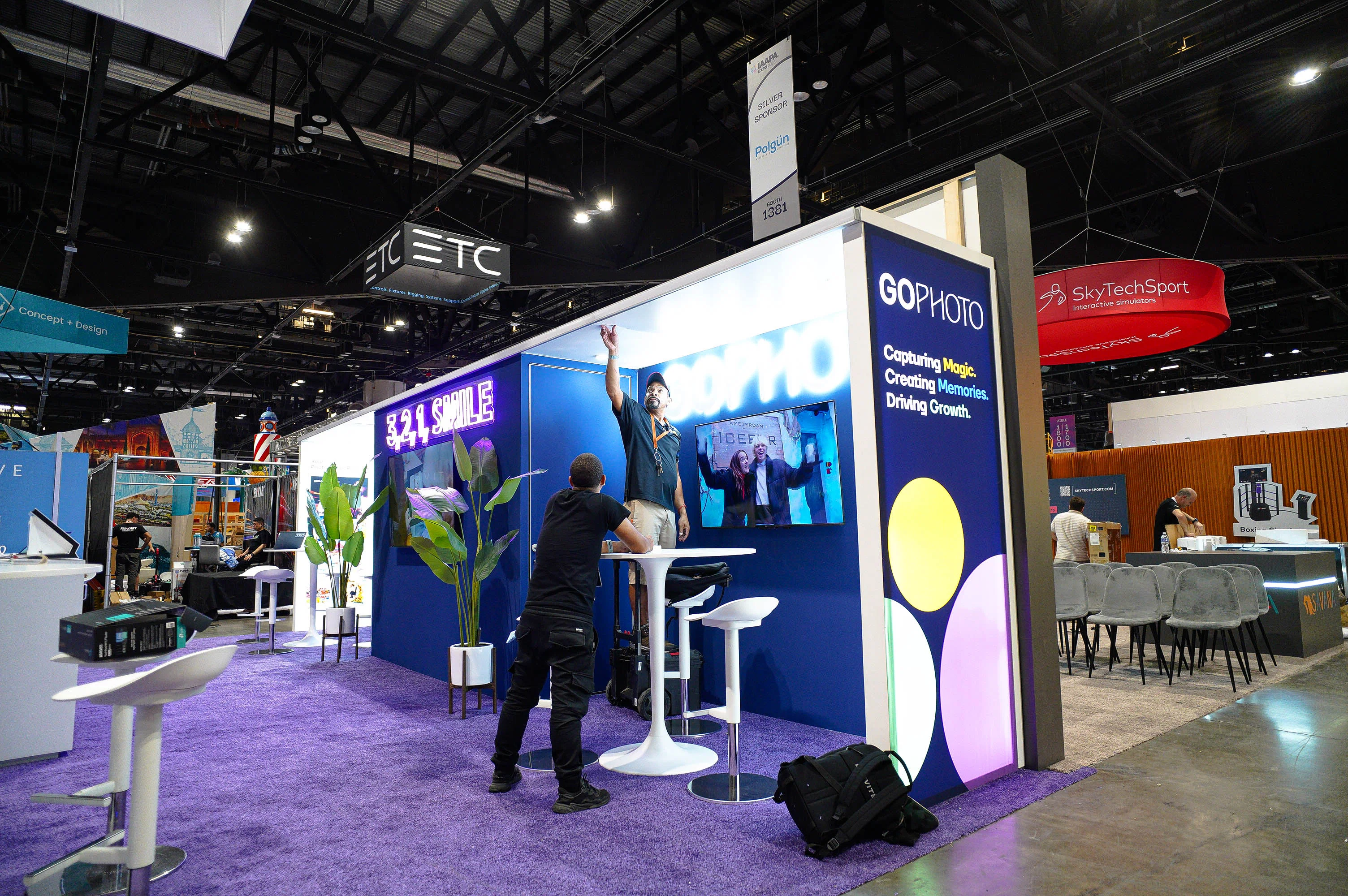
Trade show general contractors initiate freight planning by analyzing booth footprints against venue dock capacities, such as those at the Kay Bailey Hutchison Convention Center Dallas, where multiple bays handle tractor-trailers but require scheduled appointments submitted via the exhibitor service manual. They compile detailed manifests including piece counts, weights, and dimensions, then assign carriers with valid insurance and TWIC cards for secure access. During move-in, contractors sequence deliveries to prioritize island booths near central docks, reducing fork truck travel distances and minimizing hall congestion that could extend setup times by hours.
Post-delivery, general contractors direct the transfer from docks to booth spaces using padded carts and protective coverings to safeguard exhibits against concrete floors and tight corners. At facilities like Dallas Market Hall, where exhibit areas adjoin permanent installations, they coordinate with venue staff to demarcate temporary zones, ensuring no interference with ongoing market activities. This front-loaded staging prevents common pitfalls like blocked fire lanes or unauthorized overtime charges from accumulating unforeseen costs.