Services / Custom Exhibit Fabrication for Dallas Trade Shows

Custom Exhibit Fabrication for Dallas Trade Shows

improve your presence at Dallas-Fort Worth venues with purpose-built custom exhibit fabrication that aligns with fewer handoff gaps with the operational demands of major convention spaces like the KBHCCD and Dallas Market Hall.

Custom Exhibit Fabrication focusCustom walls
Venue checkpointFashion Industry Gallery
Scope pressurePlanning around Dock and Freight Logistics in
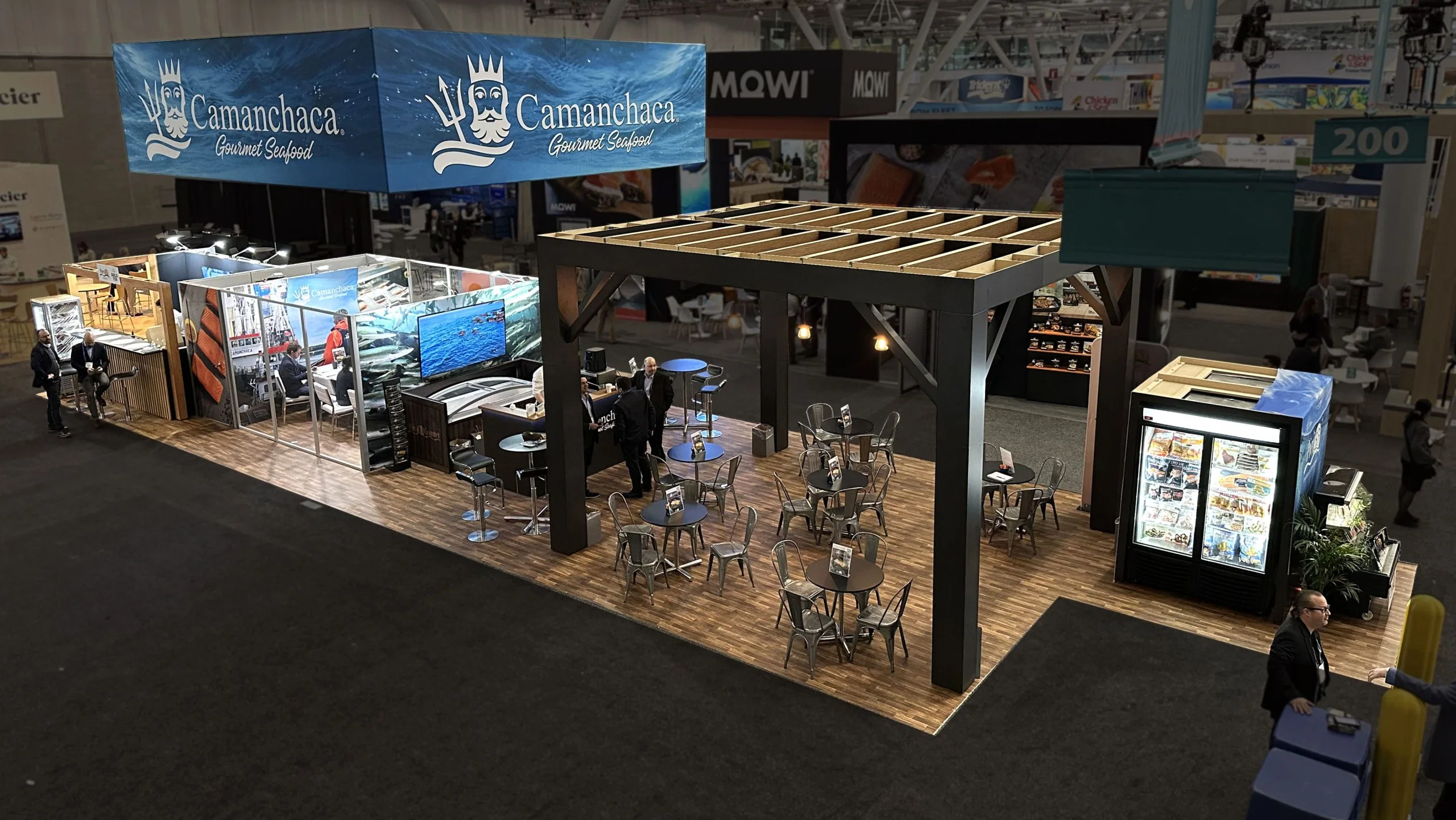
Custom Exhibit Fabrication in Dallas visual for Exhibit House of DallasService

Planning around Dock and Freight Logistics in Fabrication Planning

When fabricating custom exhibits destined for the Kay Bailey Hutchison Convention Center Dallas, planners must account for the venue's dedicated exhibitor docks, which handle shipments through organized marshalling areas to prevent bottlenecks during peak move-in periods. Fabrication teams engineer crates and skids to specific dimensions that align with these dock specifications, ensuring forklift accessibility and secure strapping that withstands cross-country transport. This foresight minimizes delays, as venues enforce strict scheduling for freight acceptance, often requiring advance coordination with designated service partners listed in official exhibitor guidelines.

The process extends to internal routing post-dock, where fabricated modules navigate wide corridors and service elevators rated for heavy loads, a factor directly influencing joint selections and overall weight distribution in the build. For instance, lightweight truss systems replace heavier timber frames to stay under elevator capacities, while reinforced corners protect against incidental impacts during transit. Such details emerge from reviewing facility-specific resources, allowing fabricators to deliver turnkey solutions that slot with fewer coordination gaps into the installation timeline without rework.

Utility-Ready Fabrication for orderly Venue Integration

Custom exhibits fabricated for Dallas venues incorporate pre-wired harnesses and conduit pathways that match the standardized utility plots available at the Kay Bailey Hutchison Convention Center Dallas, where exhibitors access power, internet, and compressed air via floor boxes and wall outlets. During fabrication, teams embed modular power strips and data ports into booth frameworks, tested under simulated load conditions to verify compatibility with venue-provided amperage limits and avoiding costly on-site modifications.

This utility-forward approach proves vital in multi-day events at Dallas Market Hall, where consistent performance under continuous operation demands robust cabling insulated against electromagnetic interference from neighboring displays. Fabricators apply strain-relief techniques and color-coded wiring schemas that facilitate quick connections by installation crews, streamlining the path from fabrication floor to live activation and reducing downtime during critical show hours.

Hotel venues like the Omni Dallas Hotel require even more compact utility integrations, with fabrication focusing on low-profile mounts that conceal behind decorative panels while delivering reliable 20-amp circuits for lighting and interactive kiosks. Pre-commissioning these elements off-site ensures they activate without visible handoff problems upon arrival, aligning with the venue's exhibitor expectations for minimal disruption to hospitality operations.

  • Flush-mounted grommets for cable management
  • GFCI-protected outlets for safety compliance
  • Fiber-ready backbones for high-bandwidth AV feeds

Material Selection Tailored to Dallas Venue Scales

Selecting materials for custom fabrication at the Fashion Industry Gallery involves balancing aesthetic appeal with the venue's focus on apparel and design showcases, favoring tensioned fabrics and acrylic displays that highlight product lines without overwhelming limited sightlines. These choices draw from the gallery's special-events orientation, where lightweight composites reduce setup labor and enable creative hanging systems compliant with ceiling load charts.

At larger scales like the Kay Bailey Hutchison Convention Center Dallas, fabrication leans toward SEG frame systems and vacuum-formed signage, materials proven to endure the humidity fluctuations common in Texas convention environments. Welded aluminum tubing forms the backbone, offering rigidity for towering structures while permitting disassembly into dock-friendly segments, a direct response to the venue's freight handling protocols.

Dallas Market Hall's expansive hall layouts call for segmented flooring systems in fabrication, using interlocking carpet tiles over plywood subfloors that interlock precisely to cover vast footprints. This modularity supports rapid reconfiguration between shows, with edge banding that prevents tripping hazards and facilitates vacuuming by venue crews, ensuring exhibits maintain professional polish throughout extended runs.

Engineering control for Multi-Venue Adaptability

Engineering custom exhibits requires finite element analysis to validate stress points under the dynamic loads encountered at venues like the Hyatt Regency Dallas, where ballrooms host hybrid events blending static displays with live demos. Fabrication incorporates adjustable leveling feet and vibration-dampening pads to stabilize units on varied flooring, preventing shifts that could misalign projections or topple shelving during foot traffic surges.

For the Irving Convention Center at Las Colinas or Gaylord Texan Resort & Convention Center, broader footprints demand expandable truss grids fabricated with pin-lock connections for tool-free assembly, adapting to hall dimensions without custom cuts on-site. This control engineering anticipates the service partner requirements at these facilities, producing components that certified contractors can erect efficiently within union move-in windows.

Cross-venue compatibility extends to graphic panels using magnetic or velcro attachments, allowing quick swaps for repeat exhibitors rotating between Dallas Market Hall and Omni Dallas Hotel events. Such foresight in fabrication minimizes inventory needs, as standardized mounting holes align across booth sizes from 10x10 to island configurations spanning thousands of square feet.

  • CAD-modeled tolerances under 1/16 inch
  • Wind-load simulations for open structures
  • Thermal expansion allowances for Texas climates

Compliance and Service Partner Synchronization

Fabrication for Kay Bailey Hutchison Convention Center Dallas mandates alignment with the venue's approved service partners directory, where custom builds must feature flame-retardant certifications on all textiles and foams to pass pre-event inspections. Teams embed QR-coded compliance labels on subassemblies, linking to digital spec sheets that installation firms reference during union-supervised setups, expediting approvals and averting fire marshal holds.

In the context of Dallas Market Hall, fabrication incorporates non-marking casters and protective edging to safeguard polished concrete floors, a venue stipulation for exhibitors sharing open exhibition spaces. These details emerge from exhibitor-focused venue pages, guiding fabricators to produce padded bases and retractable dollies that roll silently through service corridors without residue.

Hotel integrations at Fairmont Dallas or Sheraton Dallas Hotel emphasize low-VOC finishes in fabrication to meet indoor air quality standards, with water-based paints and adhesives that off-gas minimally during show hours. This proactive compliance ensures fabricated elements contribute to the venue's hospitality ambiance, coordinating smoothly with general contractor oversight for final placements.

From Prototype to Production Scaling

Prototyping custom exhibits often starts with scaled mockups tested for assembly sequence at simulated dock heights matching those at the Kay Bailey Hutchison Convention Center Dallas, refining tolerances before full-scale production runs. This iterative phase uncovers pinch points in modular joints, leading to reinforced gussets that secure under torque from overhead rigging.

Scaling production for Grapevine venues like Gaylord Texan involves batch-fabricating identical modules for multi-booth campaigns, with serialized tracking to prevent mix-ups during consolidated shipments. Quality gates at each stage—welding inspections, graphic lamination proofs, and load testing—mirror the venue's exhibitor checklists, delivering production-ready units palletized for forklift staging.

Final packaging protocols address the logistics of Plano or Frisco event centers, using reusable Euro-pallets dimensioned for semi-trailers and nested interiors that cut shipping volume by 30 percent. These efficiencies stem from venue-derived best practices, positioning fabricated exhibits for Just in Time arrivals that sync with I&D schedules across the DFW corridor.

  • 3D-printed prototypes for fit verification
  • CNC routing for repeatable control cuts
  • Serialized asset tags for inventory control

Finishing Touches for Lasting Impact

Applying finishes during custom fabrication for Arlington or Bedford events prioritizes multi-layered clear coats over metallic laminates, providing UV resistance that preserves vibrancy under the intense LED lighting of convention halls like those in Dallas. Hand-sanded edges on plywood counters ensure tactile quality, enhancing visitor interactions at touchpoints like product pedestals.

For venues such as Hilton Anatole, fabrication includes antimicrobial surface treatments on high-contact areas, responding to post-event sanitation protocols without altering visual appeal. These treatments bond molecularly during curing, surviving disassembly and storage cycles while meeting health codes enforced across DFW hospitality nodes.

Integrated lighting fabrication embeds addressable LEDs into frameworks, programmable for dynamic effects that comply with venue dimmer rack compatibilities at Omni Dallas Hotel. Diffusers soften glare, directing focus to branded zones and extending fixture lifespans through thermal management channels machined into extrusions.

FAQ

Frequently Asked Questions on Custom Exhibit Fabrication

What differentiates custom exhibit fabrication from modular rentals?

Custom fabrication crafts One of a Kind structures from client blueprints, engineered for specific venue constraints like dock sizes at Kay Bailey Hutchison Convention Center Dallas, whereas modular rentals offer pre-engineered kits for generic reuse across events.

How do venue rules influence fabrication decisions?

Venues such as Dallas Market Hall dictate material weights and flame ratings, prompting fabricators to select compliant aluminum frames and FR-rated fabrics documented in official exhibitor guides to ensure orderly approvals.

What timeline should planners expect for fabrication?

From approved designs to crated delivery, timelines span 6-12 weeks depending on complexity, incorporating facility-specific prototyping for utilities and docks as seen in Kay Bailey Hutchison Convention Center Dallas protocols.

Can fabricated exhibits adapt to multiple DFW venues?

Yes, modular designs with standardized connectors allow reconfiguration from convention centers like Irving Convention Center to hotels like Hyatt Regency Dallas, minimizing re-fabrication costs.

How is quality ensured in the fabrication process?

Rigorous stages include CAD verification, weld certifications, load testing, and compliance labeling aligned with service partner requirements at facilities like Fashion Industry Gallery.

What logistics prep does fabrication include?

Exhibits ship in dock-optimized crates with protective foam inserts, prepped for freight elevators and service corridors per venue exhibitor resources, facilitating efficient move-ins.

Start the conversation

Launch Your Custom Exhibit Project

Secure a detailed fabrication proposal tailored to your next DFW event. Provide specs for Kay Bailey Hutchison Convention Center Dallas or other venues, and receive engineered options within 48 hours.

Start your scope