Event Types / Pop-Up Event Services

Pop-Up Event Services

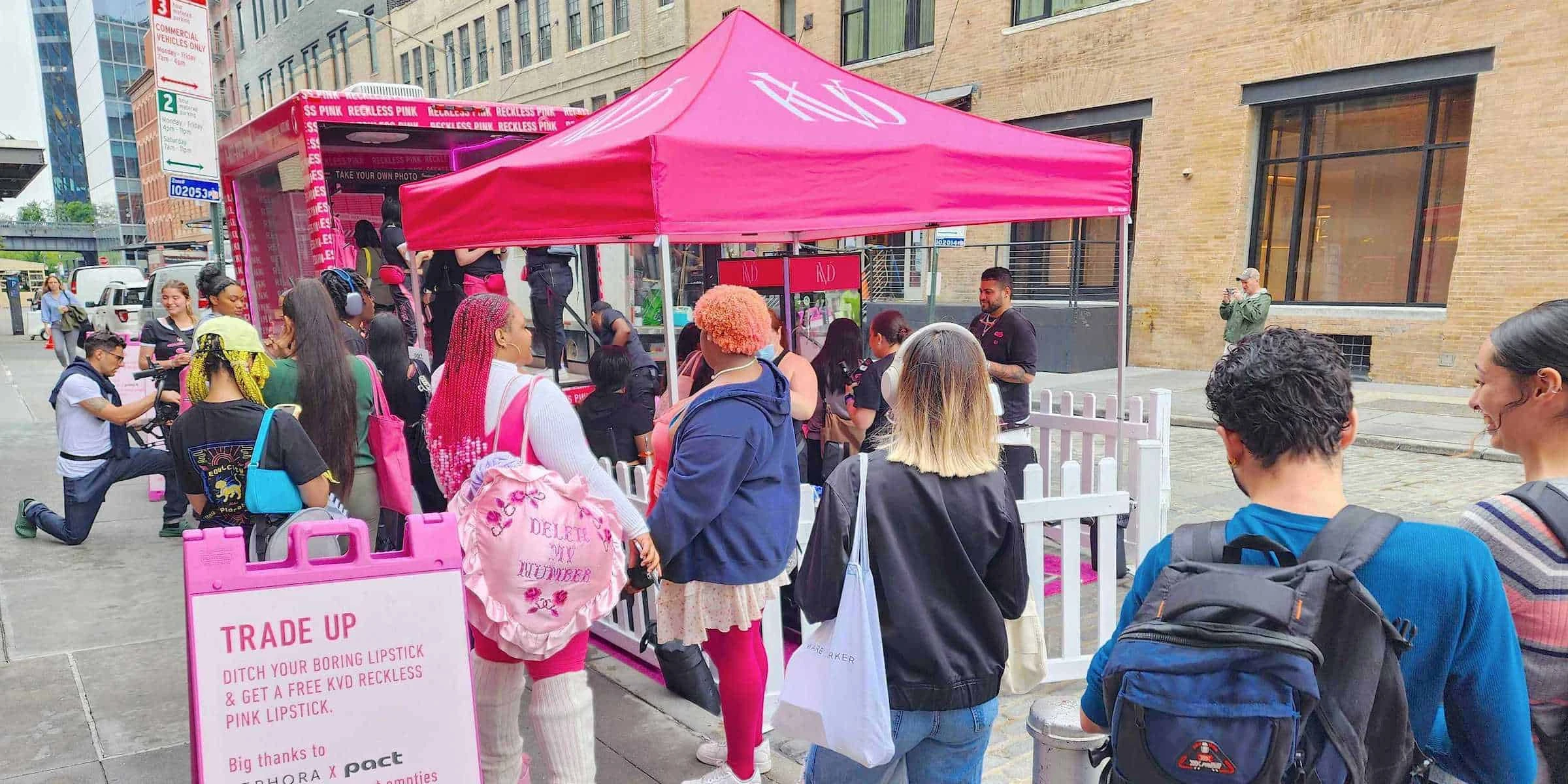
Pop-up events deliver high-impact, temporary experiences that brands use to engage audiences in dynamic Dallas-Fort Worth venues, requiring specific planning around venue infrastructure for rapid deployment and removal.

Pop Up Event formatPop-up events need temporary impact
Room cueDallas pop-up venues
Support loadChoosing Venues Optimized for Pop-Up Formats
Pop Up Event Services in Dallas visual for Exhibit House of DallasEvent Type

Choosing Venues Optimized for Pop-Up Formats

Selecting the appropriate venue sets the foundation for a pop-up event's viability in Dallas-Fort Worth, where diverse facilities cater to varying scales and themes. The Kay Bailey Hutchison Convention Center Dallas, as a established convention center, supports large-scale pop-ups through its multiple halls and robust exhibitor support systems, including detailed guidelines for what to expect during installations. Its loading docks streamline the handling of freight for temporary booths and displays, making it suitable for events needing high-volume material movement within short windows. Dallas Market Hall complements this with its dedicated exhibition hall configuration, perfect for market-driven pop-ups that mimic trade show energy but on a transient basis, leveraging open floor plans for creative layouts.

For more niche or intimate pop-ups, the Fashion Industry Gallery offers a specialized venue type focused on fashion and industry events, providing a curated atmosphere that enhances brand storytelling in a compact footprint. Convention hotels such as the Omni Dallas Hotel and Hyatt Regency Dallas enable hybrid pop-ups blending event space with hospitality, ideal for consumer-facing activations drawing from downtown foot traffic. Planners evaluate these options by cross-referencing venue types—convention centers for volume, exhibition halls for flexibility, special-events venues for theme alignment, and hotels for accessibility—ensuring the chosen site matches the pop-up's duration, attendance projections, and logistical footprint.

  • Kay Bailey Hutchison Convention Center Dallas: Convention-center scale with dock access
  • Dallas Market Hall: Exhibition-hall openness for retail pop-ups
  • Fashion Industry Gallery: Special-events venue for design-focused installs
  • Omni Dallas Hotel: Convention-hotel integration for urban access
  • Hyatt Regency Dallas: Flexible ballroom spaces near central hubs

Planning Load-In Logistics

Load-in phases demand clear sequencing in Dallas-Fort Worth pop-up planning, particularly at venues like the Kay Bailey Hutchison Convention Center Dallas, where exhibitors follow specific dock protocols to manage freight efficiently. Advance scheduling of dock time slots prevents bottlenecks, as multiple events often share these critical entry points, requiring pop-up teams to sequence deliveries precisely—perhaps staging smaller loads first for immediate setup areas. This venue's exhibitor resources outline dock operations, emphasizing the need for pre-approved carriers and labeled shipments to expedite customs if international elements are involved, though most pop-ups rely on domestic logistics.

Beyond docks, internal material transport within the venue involves coordinating with service partners listed in official directories, ensuring carts, forklifts, and personnel align with pop-up timelines. For Dallas Market Hall or Fashion Industry Gallery, where space constraints differ, planners adapt by prioritizing lightweight, modular components that minimize handling needs. In hotel settings like the Omni Dallas Hotel, service elevators become key, with weight limits and hours dictating phased moves to avoid guest disruptions, allowing pop-ups to materialize overnight or during off-peak periods.

  • Reserve dock slots weeks in advance at convention centers
  • Label all freight per venue exhibitor guidelines
  • Sequence loads by setup priority
  • Utilize venue-listed service partners for internal transport
  • Account for elevator restrictions in hotels

Power Utilities and Technical Setup

Utilities provisioning forms a cornerstone of pop-up reliability, especially at the Kay Bailey Hutchison Convention Center Dallas, where dedicated exhibitor utilities pages detail ordering processes for electricity, internet, and compressed air. Pop-up designers specify wattage draws early, opting for temporary panels that tie into floor boxes without permanent alterations, ensuring compliance with venue electrical codes and avoiding surcharges from overruns. This setup supports interactive elements like digital screens or lighting rigs common in brand activation pop-ups, with backup generators considered for mission-critical displays.

In exhibition halls such as Dallas Market Hall, power distribution follows similar venue-standardized approaches, focusing on even coverage across open floors to power perimeter booths or central installations. Special-events venues like the Fashion Industry Gallery may require custom rigging consultations, while convention hotels provide house AV packages adaptable for pop-ups. Planners integrate these details into floor plans, conducting virtual walkthroughs to confirm outlet proximity and cable management, thereby preventing technical glitches during live operations.

Service Partners and Vendor Synchronization

Leveraging official service partner lists, as provided by the Kay Bailey Hutchison Convention Center Dallas, streamlines pop-up coordination by connecting planners with pre-vetted providers for labor, rigging, and specialties. These directories ensure compatibility with venue rules, such as union considerations or insurance minimums, allowing pop-up teams to contract for targeted support like booth finishing or signage installation without reinventing compliance processes. Synchronization occurs through shared timelines, where partners align on milestones from load-in to activation testing.

Across DFW venues, this model extends: Dallas Market Hall visitors reference general directories, while hotels like the Hyatt Regency Dallas offer in-house options augmented by externals. For pop-ups in Irving Convention Center or Gaylord Texan, regional guides highlight similar ecosystems, emphasizing advance RFPs to lock rates and availability. This partner-centric approach minimizes risks, fostering a network that scales with pop-up ambitions from micro-activations to multi-hall spectacles.

  • Consult venue service partner directories first
  • Issue RFPs matching pop-up scope
  • Align contracts with venue insurance rules
  • Test integrations pre-event
  • Scale partners to timeline phases

Event Execution and Teardown

During execution, pop-up operations pivot to attendee flow and real-time adjustments, with venues like the Fashion Industry Gallery enabling close-quarters engagement suited to its special-events format. Monitoring foot traffic, refresh cycles for interactive zones, and staff rotations keeps energy high, while venue security protocols guide access controls. At larger sites like Kay Bailey Hutchison Convention Center Dallas, wayfinding integrates with existing signage, directing pop-up visitors without clashing with concurrent programming.

Teardown reverses load-in rigor, adhering to strict vacate times—often within hours post-close—to free spaces for turnovers. Docks at convention centers handle outbound freight in reverse order, prioritizing bulky items first, with sweeps confirming no traces remain. Hotels demand swift clears to resume guest functions, underscoring modular designs that dismantle rapidly. This phase captures feedback via quick surveys, informing future iterations while fulfilling venue closeout reports.

  • Manage attendee peaks with zoned staffing
  • Implement real-time troubleshooting protocols
  • Execute teardown in reverse load-in sequence
  • Conduct final venue sweeps
  • Document for post-event reviews

Optimizing Costs and Performance

Budgeting for DFW pop-ups balances venue rentals, logistics, and contingencies, starting with fee schedules implied in exhibitor resources like those for Kay Bailey Hutchison Convention Center Dallas. Allocating for dock fees, utilities, and partners prevents overruns, with modular kits reducing custom fab costs. Performance tracking via badge scans or app data quantifies engagement, tying back to ROI as pop-ups convert browsers to leads efficiently.

Holistic optimization reviews full cycles, from Grapevine resort activations to downtown hotel hits, refining vendor pools and timelines. This data-driven refinement focus subsequent events, leveraging DFW's venue diversity for varied testing grounds.

FAQ

Pop-Up Event Planning FAQs

What distinguishes pop-up events from traditional trade shows?

Pop-ups emphasize temporary, high-engagement formats with rapid setup and teardown, unlike trade shows' multi-day commitments, making them ideal for testing markets in flexible DFW venues like Dallas Market Hall.

How do loading docks impact pop-up timelines at convention centers?

Dedicated docks at Kay Bailey Hutchison Convention Center Dallas enable sequenced freight handling, compressing load-in to hours when pre-scheduled, essential for one- to three-day pop-ups.

Which DFW venues best suit fashion pop-ups?

Fashion Industry Gallery provides a specialized space for design activations, complemented by larger halls at Dallas Market Hall for scaled versions.

How are utilities ordered for pop-ups?

Venues like Kay Bailey Hutchison Convention Center Dallas offer exhibitor utilities ordering via dedicated pages, specifying needs weeks ahead for coordinated power and data integration.

What role do service partners play?

Official directories at major venues connect planners to compliant providers for rigging, labor, and tech, ensuring pop-ups meet site standards without delays.

How quickly can a pop-up be dismantled?

Modular designs allow teardowns in 4-8 hours at most DFW venues, following load-out dock protocols to vacate promptly.

Start the conversation

focus Your Next Pop-Up

Access tailored planning strategies for DFW pop-up events and coordinate success across top venues—start your project roadmap today.

Start your scope