Locations / Denton TX Exhibit Planning and DFW Trade Show Coordination

Denton TX Exhibit Planning and DFW Trade Show Coordination

Authoritative resources for coordinating exhibits and displays for Denton organizations participating in Dallas-Fort Worth area conventions, conferences, and corporate events.

Denton roleDenton, TX
Nearest venue cueTexas Live! Arena
Local pressureDenton planning benefits from north-corridor travel
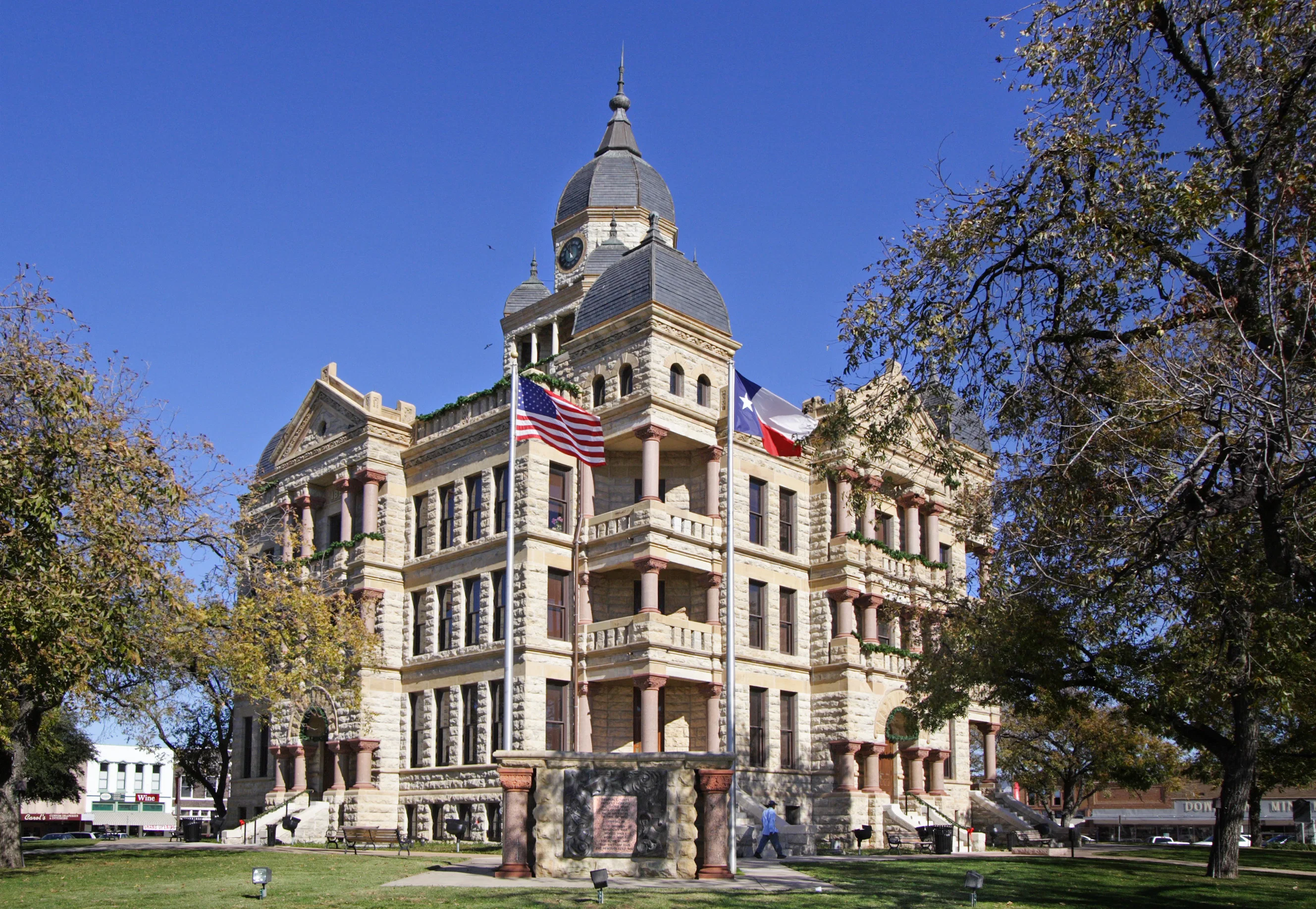
Denton Trade Show Exhibits visual for Exhibit House of DallasLocation

Denton in the Context of DFW Venue Corridors

The northern DFW corridor that includes Denton connects directly to primary event corridors serving downtown Dallas, Irving, Lewisville-adjacent developments, and onward routes to Frisco and Plano. This positioning allows organizations to evaluate multiple venue options within reasonable planning windows, yet each destination carries separate logistical and regulatory considerations that must be mapped during initial strategy development. The Kay Bailey Hutchison Convention Center functions as the largest flagship facility with published exhibitor resources covering everything from initial move-in protocols to final dismantle schedules.

Smaller-scale or specialized events may route toward facilities such as the Dallas Market Hall or Fashion Industry Gallery, each maintaining independent operational standards for material intake, booth construction parameters, and post-event material flow. Arlington venues emphasize different flow patterns influenced by their adjacency to sports and entertainment districts, while Grapevine and Irving locations integrate more closely with hospitality and airport proximity advantages. Planners must therefore treat these as distinct operational districts rather than interchangeable locations.

Effective coordination begins with mapping event calendars against these varied venue characteristics. Published planning guides from Irving, Arlington, and Frisco outline municipal priorities and facility specifications that influence exhibit scale, audiovisual integration, and audience flow design. Denton-based programs benefit from early alignment with these documented requirements to avoid downstream adjustments in design or budgeting.

  • Downtown Dallas cluster focuses on high-volume convention infrastructure
  • Irving and Grapevine emphasize airport-adjacent corporate events
  • Frisco and Plano deliver modern suburban conference environments
  • Arlington integrates sports and entertainment adjacency factors
  • Fort Worth maintains separate historic and contemporary venue contexts

Kay Bailey Hutchison Convention Center Coordination Details

As the primary large-scale venue in downtown Dallas, the Kay Bailey Hutchison Convention Center publishes extensive exhibitor documentation that addresses service partners, utility provisioning, dock procedures, and general expectations for trade show participants. These resources establish clear channels for ordering electrical, internet, rigging, and labor-related services through approved providers, creating a structured environment where advance planning directly correlates with on-site efficiency.

Dock and material handling specifications detail allowable vehicle types, advance shipping deadlines, and designated staging areas that exhibitors must observe to maintain schedule integrity. Utility ordering follows parallel protocols with specific forms and lead times that prevent last-minute capacity conflicts. Service partner lists identify entities authorized to perform installation, graphic production, and technical support within the facility's guidelines.

For programs originating from the northern corridor, these published timelines become foundational documents. They allow calculation of total project windows that incorporate transit buffers, pre-show staging requirements, and post-event material retrieval or storage arrangements. Regular consultation of the center's exhibitor and service partner pages ensures alignment with the most current procedural updates.

  • Consult official exhibitor resources for move-in and move-out protocols
  • Coordinate with listed service partners for specialized tasks
  • Adhere to dock scheduling windows to prevent delays

Logistics Planning Across Distinct DFW Clusters

Northern corridor logistics require differentiated approaches depending on target municipality. Routes to Irving or the Dallas Market Hall involve different traffic pattern considerations than journeys toward Frisco or Arlington facilities. Published event planning guides from these municipalities document preferred carrier instructions, recommended delivery windows, and any facility-specific material handling rules that influence crate counts, rigging requirements, and dismantle sequencing.

The separation between venue clusters creates opportunities for strategic scheduling but also introduces complexity in multi-show campaigns. A single calendar year might include an Irving corporate event, an Arlington convention, and a downtown Dallas exhibition, each with independent advance warehouse deadlines and preferred shipping methods. Coordination frameworks that document these differences reduce the likelihood of overlapping commitments or missed cutoff dates.

Material flow planning must also account for the return or storage of assets between events. Certain facilities offer limited on-site storage, while others maintain relationships with off-site providers. Understanding these variations allows development of realistic budgets and timelines that preserve asset integrity across the full exhibition cycle.

Service Partner Ecosystems and Approval Protocols

Each major DFW venue maintains its own ecosystem of approved service partners responsible for categories including general contracting, electrical provision, audiovisual support, and specialized rigging. The Kay Bailey Hutchison Convention Center publishes an updated service partner directory that clarifies which providers hold exclusive or preferred status for particular service lines. Similar structures exist across Arlington, Frisco, and Irving venues though with different emphases based on facility scale and typical event types.

Early identification of these partners during the planning phase enables more accurate budgeting and clearer division of responsibilities. For instance, certain partners specialize in complex custom fabrication while others focus on modular systems optimized for rapid installation in high-volume shows. Matching partner capabilities to program requirements constitutes a core planning competency.

Documentation exchange with these partners follows property-specific templates and approval workflows. Adherence to these established channels helps maintain compliance with facility regulations regarding fire safety, structural integrity, and accessibility standards. Regular status reviews against published timelines keep all parties synchronized throughout design, production, and on-site phases.

  • Review current service partner directories for each target venue
  • Align partner specialties with specific program technical needs
  • Follow documented approval and ordering workflows
  • Maintain records of all property-specific compliance requirements

Utility Specifications and Technical Requirements

Utility provisioning varies significantly between DFW venue clusters. The Kay Bailey Hutchison Convention Center maintains detailed online resources that specify electrical capacities, internet bandwidth options, lighting controls, and compressed air availability at booth level. These specifications directly influence exhibit design decisions regarding power draw, connectivity needs, and backup systems.

Frisco and Plano venues often feature more contemporary infrastructure with integrated digital capabilities, while older facilities in other districts may require supplemental planning for temporary cabling or signal boosting. Arlington locations sometimes incorporate additional considerations related to concurrent sports or entertainment activities that can affect utility availability windows.

Ordering procedures typically require submission of detailed load calculations weeks in advance of move-in. Late changes frequently incur premium charges or prove impossible due to pre-allocated circuit capacities. Therefore, technical specifications should be finalized during the initial design review stage rather than treated as last-minute adjustments.

Timeline Construction for Regional Exhibition Schedules

Comprehensive timeline development begins with reverse engineering from show opening dates at specific venues. For a downtown Dallas convention, this might involve 120-day advance ordering for utilities and 90-day deadlines for certain service partner deliverables. Comparable but non-identical timelines apply to Irving event planning guides and Frisco venue requirements, necessitating careful calendar integration when managing multiple commitments.

Northern corridor participants must incorporate additional buffers for transit from Denton to venue loading docks, especially during peak traffic periods or when coordinating with high-volume shows that congest surrounding roadways. These buffers become critical components of master schedules that also track design approval cycles, fabrication milestones, graphic production, and pre-show inspections.

Contingency planning constitutes an essential element of robust timelines. Published exhibitor resources from the Dallas Convention Center and companion municipalities outline typical delay scenarios and recommended mitigation steps. Regular milestone reviews against these documented benchmarks allow early identification of potential slippage before it affects overall program success.

Cross-referencing timelines against the distinct operational calendars of recommended DFW locations including Addison, Carrollton, Lewisville, and Richardson helps surface potential conflicts months in advance. This proactive stance supports more confident resource allocation and reduces reactive decision-making during active show periods.

  • Build master calendars incorporating all property-specific deadlines
  • Include transit and staging buffers for northern corridor origins
  • Schedule regular alignment checks with service partners
  • Document contingency triggers based on published guidelines

Comparative Operational Contexts Across DFW Municipalities

Treating each DFW municipality as a distinct operational environment yields more specific planning outcomes. Downtown Dallas emphasizes high-density, multiday conventions with rigorous material handling rules and extensive service partner oversight. In contrast, Frisco venues often support shorter-duration corporate meetings with faster installation cycles and integrated technology infrastructures.

Arlington's convention offerings frequently intersect with sports and entertainment calendars, creating unique load-in windows and audience flow requirements. Irving publications highlight proximity to DFW Airport as a determining factor for international exhibitor logistics and last-minute international shipping adjustments. Grapevine and Southlake locations integrate more closely with hospitality properties that maintain their own exhibit-friendly policies.

These differences extend to labor coordination protocols, permitted display heights, hanging restrictions, and preferred exhibit footprint configurations. By cataloging these nuances in advance, planning teams can select venues whose operational DNA best matches program objectives rather than forcing programs to adapt to mismatched environments after selection.

FAQ

Frequently Asked Questions on Denton-Area Exhibit Coordination

How do operational requirements differ between downtown Dallas and Frisco venues for northern corridor exhibitors?

Downtown Dallas venues such as the Kay Bailey Hutchison Convention Center typically feature more extensive material handling regulations, longer lead times for utility orders, and larger-scale service partner ecosystems. Frisco locations generally support faster installation cycles with integrated digital infrastructure but may impose stricter limitations on display heights and custom fabrication elements. Planning timelines must be adjusted independently for each cluster.

What resources should be consulted first when planning participation in a Kay Bailey Hutchison Convention Center event?

Begin with the official exhibitor resources that detail what to expect during move-in, the current service partner directory, utility ordering specifications, and dock scheduling procedures. These documents establish the foundational requirements for all subsequent design, budgeting, and timeline decisions.

How far in advance should utility and service partner orders be placed for DFW venues?

Most major facilities require utility orders 30 to 45 days prior to move-in, while certain service partner deliverables carry 60- to 90-day lead times. Irving, Arlington, and Frisco planning guides publish comparable but non-identical schedules that should be cross-checked against the specific event selected.

Why is it important to treat Arlington, Irving, and Grapevine as separate operational districts?

Each municipality maintains distinct traffic patterns, dock configurations, labor protocols, and audience demographics that influence optimal exhibit design and installation sequencing. Uniform approaches across these districts frequently result in inefficiencies or non-compliant setups that could have been avoided through cluster-specific planning.

What role do published service partner lists play in successful DFW exhibit coordination?

These lists identify entities pre-approved to work within each facility's regulations, ensuring compliance with safety, electrical, and structural standards. Engaging unlisted providers can trigger additional approval processes or outright restrictions, making early consultation with official directories a critical planning step.

How should timelines account for multiple events across different DFW venue clusters in a single year?

Master schedules should incorporate property-specific deadlines for each location while maintaining buffers for material transport, refurbishment, and storage between shows. Regular alignment reviews against published exhibitor and municipal planning resources help surface conflicts during the earliest possible phase.

Start the conversation

Coordinate Your Next DFW Exhibition Program

Access tailored planning support for successful participation in regional trade shows and corporate events.

Start your scope