Locations / Euless TX Trade Show Planning and Exhibit Coordination

Euless TX Trade Show Planning and Exhibit Coordination

Strategic guidance for controlled exhibit execution across distinct DFW venue clusters from a central Euless perspective.

Euless roleEuless, TX
Nearest venue cueEmbassy Suites & Frisco Conference Center
Local pressureEuless is a mid-cities access point where airport
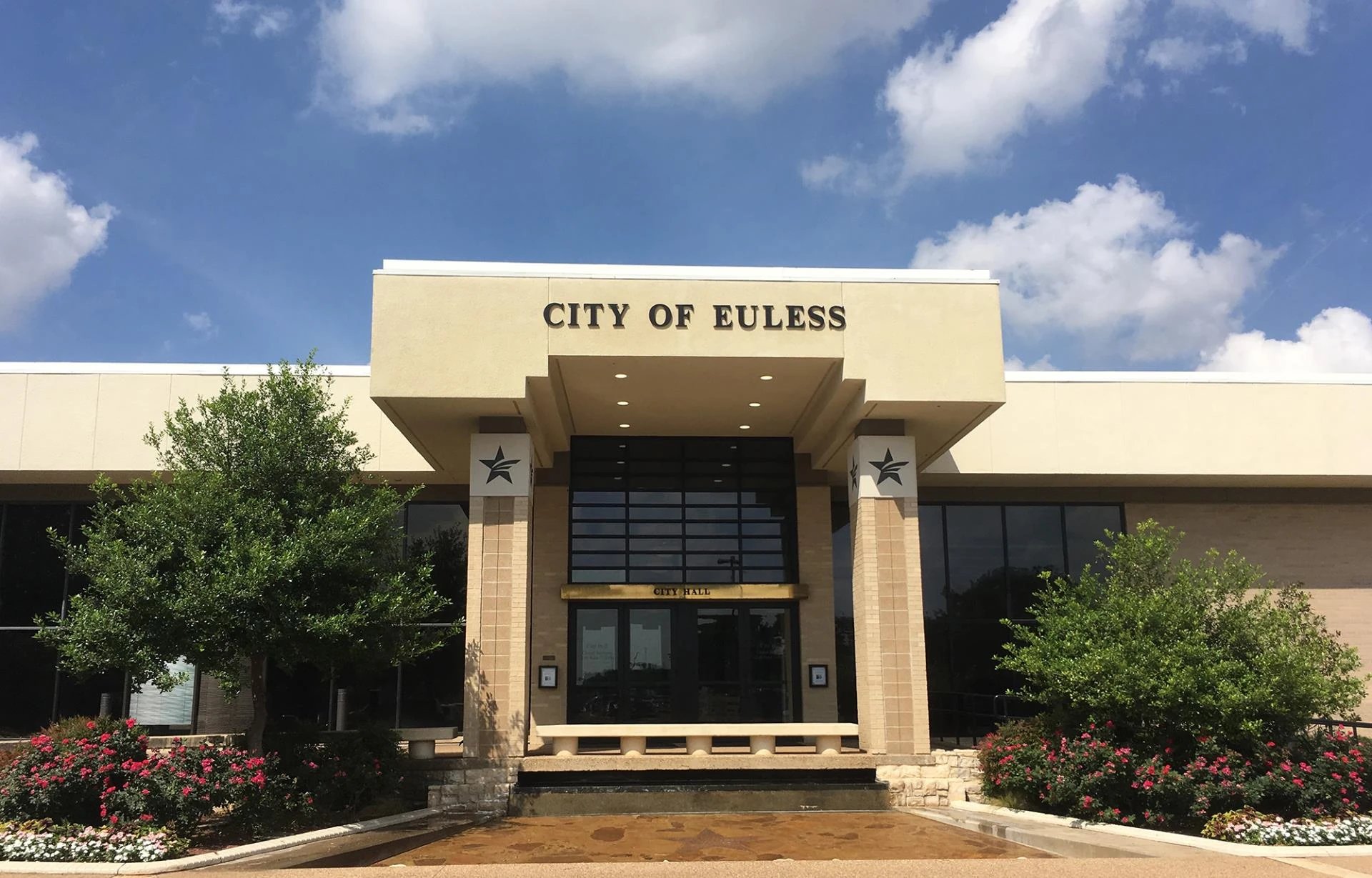
Euless Trade Show Exhibits visual for Exhibit House of DallasLocation

Euless Position Within the DFW Exhibition Ecosystem

Euless participates in the network of thirty-five communities that collectively address exhibition, conference, activation, and Install and Dismantle requirements throughout the Dallas-Fort Worth region. The municipality forms part of the suburban corporate nodes that feed consistent demand for trade show services without requiring direct presence at every venue. Coordination resources for Euless therefore concentrate on bridging the geographic spread between corporate offices in this sector and the primary convention facilities located in neighboring cities.

This positioning allows exhibit planners to develop strategies that account for the full spectrum of DFW event formats ranging from large-scale conventions to targeted industry activations. Emphasis rests on understanding how Euless connectivity supports efficient movement of materials to venues such as the Kay Bailey Hutchison Convention Center while respecting the distinct operational footprints of facilities in Fort Worth, Arlington, and Plano. Such differentiation prevents generic planning approaches that overlook district-level variations in loading procedures, labor coordination, and material storage expectations.

Successful execution begins with mapping the specific infrastructure advantages that Euless contributes to regional exhibition flow. These include straightforward access to major transportation arteries that connect multiple venue clusters, enabling planners to sequence deliveries and removals with greater predictability. The result is a more controlled environment for managing complex multi-venue campaigns that many organizations based in this part of the metroplex undertake each year.

  • Integration with primary venue corridors serving convention, corporate, and hospitality events
  • Focus on Suburban to Urban transition logistics that maintain material condition
  • Recognition of Euless as one component in a broader thirty-five municipality support network

Accessing Distinct Venue Clusters from Euless

The DFW region features clearly differentiated venue clusters, each presenting unique planning demands that must be addressed individually. From Euless, coordination naturally extends toward the Kay Bailey Hutchison Convention Center in downtown Dallas with its established exhibitor protocols, dock management systems, and approved service partner directories. Separate consideration applies to the specialized environments found in Arlington, where meeting and convention activity aligns with entertainment district programming and requires distinct material handling approaches.

Irving venues emphasize conference and corporate gathering formats supported by dedicated event planning resources that influence everything from initial freight routing to final dismantle sequencing. Grapevine and Frisco clusters introduce hospitality-focused and modern meeting environments that call for refined activation strategies and specific utility coordination. Euless-based planning therefore involves creating cluster-specific checklists that prevent crossover assumptions between these operational contexts.

Effective navigation of these differences ensures that exhibit elements arrive prepared for the exact technical and regulatory environment awaiting them. Planners reference documented exhibitor guides, utility specifications, and dock procedures for each primary facility to build accurate timelines. This methodical differentiation becomes especially important when managing multi-event calendars that span several clusters within a single quarter.

Logistics Coordination and Freight Management

Logistics planning for Euless exhibitors centers on optimizing routes from local facilities to regional venues while accounting for airport proximity and interstate connectivity that influence delivery windows. Freight arriving through DFW Airport approaches benefits from streamlined last-mile coordination that reduces exposure to unexpected delays common in more congested urban cores. Coordination resources stress the development of detailed shipping manifests that align with each venue's published receiving schedules and material handling policies.

Successful freight strategies incorporate buffer time for customs clearance when international shipments are involved, as well as contingency routing options when primary corridors experience high traffic volumes. Documentation must clearly identify exhibit components, electrical requirements, and special handling instructions so that venue staff and service partners can process inbound materials efficiently. This level of preparation becomes critical when multiple exhibitors from the Euless area participate in the same large-scale event.

Post-event logistics receive equal attention, with dismantle schedules coordinated to prevent storage overlaps or rushed outbound shipments. Planning includes verification of outbound carrier availability and proper labeling of return shipments to ensure materials return in condition suitable for future use or refurbishment. The entire sequence benefits from centralized tracking that provides visibility across all transportation segments.

  • Alignment with documented dock and receiving procedures at major convention facilities
  • Incorporation of utility and rigging requirements into initial freight documentation
  • Development of cluster-specific routing plans that respect individual venue calendars

Published Venue Preparation for Major DFW Facilities

Preparation for the Kay Bailey Hutchison Convention Center requires familiarity with its exhibitor resources covering service partners, utility provisions, and operational expectations. Coordination from Euless involves reviewing these documented guidelines early in the planning cycle to ensure all necessary approvals and connections are secured before move-in begins. Similar diligence applies to facilities in Irving and Arlington, where event planning guides outline distinct procedures for material handling, booth construction parameters, and dismantle windows.

Each venue maintains its own ecosystem of approved providers for electrical, internet, rigging, and cleaning services. Effective planning maps these requirements against the specific needs of the exhibit design to prevent last-minute change orders that affect both schedule and budget. For facilities like Dallas Market Hall or the Fashion Industry Gallery, additional attention to specialized load-in constraints and floor load capacities becomes necessary to protect both the venue infrastructure and the display elements.

Advance coordination also includes confirmation of storage options for crates and packaging materials during the show period. By addressing these details systematically, planners help maintain smooth operations even when multiple Euless-area companies participate in overlapping events. The process emphasizes documentation, timeline discipline, and clear communication with all parties involved in the exhibit lifecycle.

Timeline Development and Install-Dismantle Sequencing

Comprehensive timeline creation for Euless-coordinated exhibits begins months before the target event with confirmation of all venue deadlines for drawings, permits, and material arrival. These schedules must accommodate the distinct move-in patterns of different clusters, recognizing that downtown Dallas facilities often operate on tighter windows than suburban or airport-adjacent venues. Coordination resources help translate these constraints into realistic production calendars that protect quality while meeting all published cutoff dates.

Install and dismantle phases require particularly careful sequencing to maximize labor efficiency and minimize material stress. Planners develop detailed Gantt-style schedules that identify critical dependencies between freight arrival, booth construction, graphic application, and technical integration. For multi-venue campaigns, these timelines also address transportation buffers between sites to prevent cascading delays across an entire exhibit program.

Post-dismantle activities receive equal emphasis, including crate reconciliation, damage assessment, and return shipping arrangements. Thorough documentation during this phase supports accurate budgeting for future events and helps identify opportunities for design refinement. The entire process benefits from centralized oversight that maintains visibility across all parties and locations involved.

  • Integration of venue-published deadlines into master project calendars
  • Creation of contingency windows for high-traffic periods on regional corridors
  • Documentation protocols that support accurate post-event analysis and future planning

Activation Strategy and Long-Term Exhibit Management

Activation planning for Euless companies focuses on creating engaging experiences that align with the specific character of each target venue cluster. Downtown convention presentations often require different technical specifications than hospitality-focused events in Grapevine or corporate meetings in Addison and Plano. Coordination therefore includes careful matching of display technologies, interactive elements, and staffing models to the documented capabilities and restrictions of each facility.

Long-term management strategies address refresh cycles, storage considerations, and modular design approaches that extend the useful life of major exhibit components. Planners help develop multi-year calendars that distribute investment across several events while maintaining consistent brand presentation. This forward-looking perspective proves especially valuable for organizations that participate in recurring DFW shows on an annual basis.

Sustainability considerations increasingly influence activation choices, with emphasis on materials that can be repurposed across multiple events or easily recycled at the end of their lifecycle. Coordination resources track evolving venue policies regarding waste management and green practices to ensure compliance while meeting communication objectives. The result is a more resilient exhibit program that delivers consistent performance across the varied DFW landscape.

Budgeting and Resource Allocation for Regional Programs

Budget development for Euless-based exhibit programs must account for the full spectrum of transportation, installation, material handling, and venue service costs that vary significantly between clusters. Downtown Dallas facilities often carry different fee structures than events held in Arlington or Irving, requiring granular line-item planning rather than generalized estimates. Coordination expertise helps identify these variations early so that realistic forecasts can guide design and programming decisions.

Resource allocation also considers the personnel requirements for supervision during critical phases, the cost implications of last-minute adjustments, and the potential savings from standardized components that travel efficiently between multiple venues. Detailed tracking templates allow for ongoing comparison of projected versus actual expenditures, creating data that informs future planning cycles and vendor negotiations.

Effective budgeting incorporates contingency allowances for common variables such as fuel surcharges, unexpected rigging requirements, or extended storage needs. By building these factors into the initial framework, organizations maintain greater financial control throughout the exhibit lifecycle. The process ultimately supports more strategic investment decisions that balance immediate event impact with long-term program sustainability.

  • Cluster-specific cost mapping based on documented venue service structures
  • Multi-event amortization models for major custom components
  • Variance tracking systems that improve accuracy over successive planning cycles

FAQ

Frequently Asked Questions About Euless Exhibit Planning

How does Euless fit into broader DFW trade show logistics?

Euless functions as one of the suburban nodes that supports efficient movement of exhibit materials to primary convention centers and specialized venues throughout the metroplex. Its connectivity to major transportation routes allows for coordinated planning that respects the distinct operational requirements of downtown Dallas, Arlington, Irving, and other clusters without assuming uniform processes across all locations.

What makes venue clusters different from an Euless planning perspective?

Each cluster maintains separate service partner directories, utility specifications, dock procedures, and labor contexts. Downtown Dallas facilities follow established convention center protocols while Arlington and Irving venues align with their respective hospitality and corporate event frameworks. Planning resources emphasize early differentiation to prevent operational conflicts.

When should coordination begin for a major DFW event from Euless?

Initial planning typically starts four to six months prior to the target show date to allow sufficient time for design approval, permit acquisition, freight scheduling, and service partner confirmation. Venues such as the Kay Bailey Hutchison Convention Center publish specific deadlines that must be incorporated into the master timeline.

How are install and dismantle schedules developed for Euless exhibitors?

Schedules are designed around each venue's published move-in and move-out windows, with additional buffers for transportation from Euless to the event site. Coordination includes dependency mapping for freight arrival, booth construction, technical integration, and crate storage to maintain efficiency while protecting material condition.

What documentation helps streamline Euless-area exhibit programs?

Comprehensive manifests, utility requirement lists, approved service partner forms, and detailed timelines form the foundation of successful coordination. These documents ensure alignment with venue expectations at facilities across Dallas, Fort Worth, Arlington, and surrounding municipalities.

How can companies in Euless prepare for multiple DFW events in one season?

Preparation involves creation of a master calendar that identifies overlapping deadlines across different venue clusters, standardization of compatible components where appropriate, and centralized tracking of material status between events. This systematic approach reduces redundancy while maintaining compliance with each location's specific requirements.

Start the conversation

Coordinate Your Next DFW Exhibit Program

Access planning resources tailored to Euless-based participation in regional trade shows, conferences, and activations.

Start your scope