Locations / Flower Mound TX Trade Show Exhibit Planning and DFW Coordination

Flower Mound TX Trade Show Exhibit Planning and DFW Coordination

Strategic planning resources for organizations in Flower Mound Planning around the distinct venue clusters and operational requirements of the Dallas-Fort Worth exhibition market.

Flower Mound roleFlower Mound, TX
Nearest venue cueOmni PGA Frisco Resort
Local pressureFlower Mound programs lean suburban and
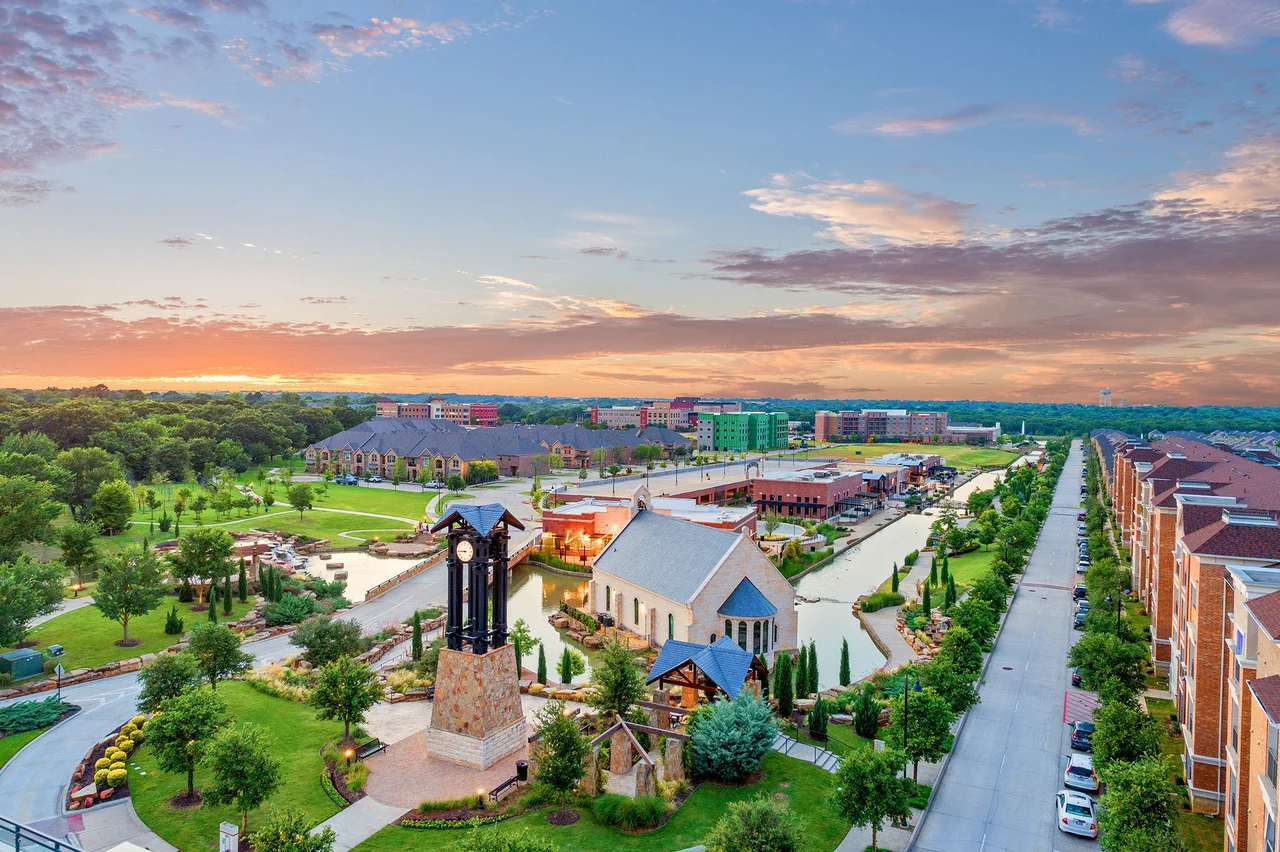
Flower Mound Trade Show Exhibits visual for Exhibit House of DallasLocation

Flower Mound Within the Broader DFW Exhibition Ecosystem

The Dallas-Fort Worth region sustains consistent demand for exhibitions through a distributed network of convention centers, market halls, and specialized meeting facilities. Flower Mound represents one of the secondary municipalities and suburban corporate nodes that collectively generate search and participation intent for trade shows, conferences, and brand experiences. This positioning enables organizations to evaluate opportunities across primary corridors rather than concentrating solely on downtown Dallas or Fort Worth cores.

Regional planning materials from sources covering Irving, Arlington, and Frisco illustrate the diversity of event formats available. These include large-scale industry exhibitions, technology-focused conferences, hospitality-driven activations, and corporate meetings. For Flower Mound-based decision makers, successful coordination begins with categorizing target events by venue cluster to match audience profiles, exhibit scale, and logistical realities specific to North Texas.

The thirty-five documented location targets within the DFW area, including Flower Mound alongside Allen, Bedford, Carrollton, Colleyville, Coppell, and others, reflect a deliberate coverage of airport approaches, suburban nodes, and secondary cities capable of supporting realistic exhibit demand. This distributed model distinguishes the market from more centralized exhibition hubs and requires planners to develop flexible strategies adaptable to varying district-level rules and attendee travel patterns.

Accessing Kay Bailey Hutchison Convention Center and Dallas Venues

The Kay Bailey Hutchison Convention Center stands as a cornerstone for major DFW trade shows, with publicly available exhibitor resources detailing what to expect, approved service partners, utility requirements, and dock access protocols. Organizations coordinating from Flower Mound should consult these official documents early in the planning cycle to ensure exhibit designs and schedules align with facility specifications for power, internet, rigging, and material handling.

Complementary Dallas venues such as Dallas Market Hall and the Fashion Industry Gallery accommodate different exhibition scales and industry segments. These facilities expand options beyond the convention center for mid-sized shows or specialized markets. Planning resources emphasize reviewing each venue's unique layout, freight handling procedures, and exhibitor guidelines to prevent last-minute adjustments that could impact program effectiveness.

Coordination from northern suburban locations like Flower Mound involves accounting for typical DFW traffic variables when scheduling inbound shipments and staff arrival. Official venue documentation on docks and service partners provides the factual foundation for building reliable timelines without reliance on unverified assumptions about transit.

By prioritizing these venue-backed facts, planners maintain compliance and operational clarity across multiple events per calendar year.

  • Download and apply current exhibitor guidelines from dallasconventioncenter.com
  • Reference the official service partner directory for approved providers
  • Match intended booth features to published utility and dock specifications
  • Incorporate facility-specific freight timelines into overall project schedules

Differentiating Venue Clusters Across Arlington, Frisco, and Irving

The DFW market treats Arlington, Frisco, Irving, Grapevine, Plano, and Addison as operationally distinct clusters rather than interchangeable options. Arlington emphasizes meetings and conventions tied to its entertainment district, offering resources that highlight facilities suitable for both national associations and regional corporate events. Frisco maintains a portfolio of modern venues documented on visitfrisco.com, often favored for technology, sports-adjacent, and youth-focused programming.

Irving's event planning guide details hospitality and airport-proximate advantages that support trade shows requiring convenient national access. These materials outline venue capacities, preferred event types, and planning considerations that differ meaningfully from downtown Dallas or Fort Worth contexts. Flower Mound planners benefit from mapping their objectives against these documented characteristics to select the most appropriate locations.

This district-level differentiation influences exhibit design, material specifications, and coordination timelines. What performs optimally in a Frisco conference setting may require adjustment for an Irving hospitality environment or an Arlington multi-day activation. Authoritative planning incorporates these nuances to maximize relevance and efficiency across the regional calendar.

  • Compare event formats against Arlington.org convention resources
  • Review Frisco venue specifications for technology integration needs
  • Align Irving planning guide insights with target attendee demographics
  • Adjust booth footprints according to each cluster's documented capacities

Logistics Coordination and Operational Planning Details

Logistics planning for Flower Mound organizations centers on aligning suburban departure points with facility-specific receiving windows, utility activation procedures, and dismantle schedules published by facilities throughout DFW. The Kay Bailey Hutchison Convention Center's documentation on docks, utilities, and service partners supplies concrete parameters that inform shipment sizing, carrier selection, and advance warehousing decisions where applicable.

Successful coordination also requires attention to how different clusters manage inbound and outbound material flows. Airport-adjacent venues in Irving and Grapevine present one set of considerations while northern suburban facilities in Plano or Frisco introduce another. These distinctions affect budgeting, scheduling buffers, and contingency development in ways that generic national approaches often overlook.

Planning resources stress the value of early consultation of all available venue documentation to avoid conflicts with published regulations. This preparation enables more accurate forecasting of total program costs and timelines, particularly when an organization participates in events spanning multiple DFW clusters within the same fiscal year.

Exhibit Design and Technical Integration Strategies

Exhibit solutions for the DFW market perform best when designed against the specific utility, lighting, and dimensional data published by target venues. Modular approaches that accommodate both Ten by Twenty footprints at smaller Frisco or Addison facilities and larger configurations at the Kay Bailey Hutchison Convention Center offer practical flexibility for organizations maintaining annual participation calendars.

Technical elements including power requirements, internet connectivity, rigging points, and audiovisual integration must reference official exhibitor resources to ensure compatibility on show site. The convention center's utilities and service partner pages provide essential reference points that inform these decisions during the design phase rather than after fabrication.

Graphic durability, lighting choices, and digital component specifications should also reflect the varied environments across Dallas, Fort Worth, Arlington, and suburban clusters. Planning with these district-level differences in mind helps maintain brand consistency while optimizing performance for each event's unique audience and operational context.

  • Reference utility specifications before finalizing technical drawings
  • Select modular components suitable for multiple venue scales
  • Verify audiovisual plans against each facility's published capabilities
  • Prioritize materials rated for repeated install and dismantle cycles

Market Drivers and Calendar Alignment for Long-Term Success

The Irving Event Planning Guide, Arlington meetings and conventions resources, and Frisco venue listings collectively demonstrate the breadth of demand drivers sustaining the DFW exhibition calendar. These documents identify industry concentrations, peak periods, and event formats that inform strategic participation decisions for Flower Mound organizations seeking consistent market presence.

Rather than treating the region as a monolithic opportunity, effective planning maps specific events to the most relevant clusters based on attendee profiles and business objectives. This approach might combine a major downtown Dallas convention with complementary activations in Grapevine or Plano to achieve broader coverage without redundant expenditure.

Long-term coordination frameworks incorporate post-event analysis drawn from measurable outcomes at each venue type. By maintaining records aligned with the distinct operational profiles of Arlington, Irving, Frisco, and Dallas facilities, organizations can refine their DFW strategies year over year using factual performance data rather than anecdotal observation.

Building a Comprehensive DFW Exhibition Program

A strategic exhibition program for Flower Mound entities typically spans multiple venue clusters to address different segments of the North Texas market. This might include flagship participation at the Kay Bailey Hutchison Convention Center supplemented by targeted presence at specialized facilities in Frisco, Arlington, or Irving depending on product categories and audience priorities.

Coordination extends to pre-event promotion, booth staffing parameters, lead capture protocols, and follow-up processes calibrated to each location's documented characteristics. Drawing on service partner directories and exhibitor resources ensures all elements remain compliant with individual venue expectations.

The ultimate objective remains creation of a cohesive regional presence that leverages the strengths of DFW's distributed venue system. Authoritative planning resources help translate facility-specific facts into actionable program architecture that delivers measurable business outcomes across the annual calendar.

FAQ

Frequently Asked Questions About Flower Mound DFW Trade Show Planning

Why does Flower Mound warrant dedicated trade show planning resources within the DFW market?

Flower Mound is included among the thirty-five suburban and secondary municipalities that support realistic exhibit, conference, and activation demand across DFW venue corridors. Its corporate residents benefit from proximity to multiple distinct clusters including downtown Dallas, Arlington, Frisco, Irving, and Grapevine, each with unique operational contexts documented in official planning guides.

What official resources should Flower Mound planners consult first?

Primary references include the Kay Bailey Hutchison Convention Center exhibitor pages covering what to expect, service partners, utilities, and docks. Additional market drivers appear in the Irving Event Planning Guide, Arlington.org meetings and conventions materials, Visit Frisco venue listings, and Visit Dallas information on Dallas Market Hall and the Fashion Industry Gallery.

How do venue clusters differ for planning purposes in the DFW area?

Each cluster maintains distinct characteristics: downtown Dallas focuses on large-scale conventions with specific utility and dock rules; Arlington emphasizes entertainment-district meetings; Frisco offers modern corporate and technology venues; Irving and Grapevine provide airport-proximate hospitality options. Planners must address these documented differences in timelines, exhibit scale, and service requirements.

What role do service partner directories play in DFW coordination?

Facilities such as the Kay Bailey Hutchison Convention Center publish official service partner lists that identify approved providers for various exhibition needs. These directories form a factual foundation for compliant planning, helping organizations select resources that align with each venue's specific regulations and operational standards.

How should organizations approach budgeting for multi-venue DFW participation?

Budgeting must account for varying operational requirements across clusters as detailed in venue documentation. Factors include differences in utility costs, material handling procedures, exhibit reconfiguration needs, and transportation variables between suburban locations like Flower Mound and target facilities in Dallas, Fort Worth, or Arlington.

What distinguishes effective DFW exhibit planning from generic national strategies?

Effective planning treats Arlington, Frisco, Irving, Grapevine, Plano, and downtown Dallas as separate operational contexts with unique attendee patterns, facility rules, and market drivers. It relies exclusively on venue-published facts regarding utilities, docks, service partners, and exhibitor guidelines rather than standardized assumptions.

Start the conversation

Develop Your DFW Exhibition Strategy

Connect with planning specialists who can help align your Flower Mound organization's objectives with the distinct requirements of North Texas venue clusters and documented market opportunities.

Start your scope