Locations / Garland TX Trade Show Exhibit Planning & Coordination

Garland TX Trade Show Exhibit Planning & Coordination

Authoritative resources for planning and coordinating exhibits, activations, and corporate events in Garland within the broader Dallas-Fort Worth metropolitan ecosystem.

Garland roleGarland, TX
Nearest venue cueKay Bailey Hutchison Convention Center Dallas
Local pressureGarland exhibits need east-metro planning
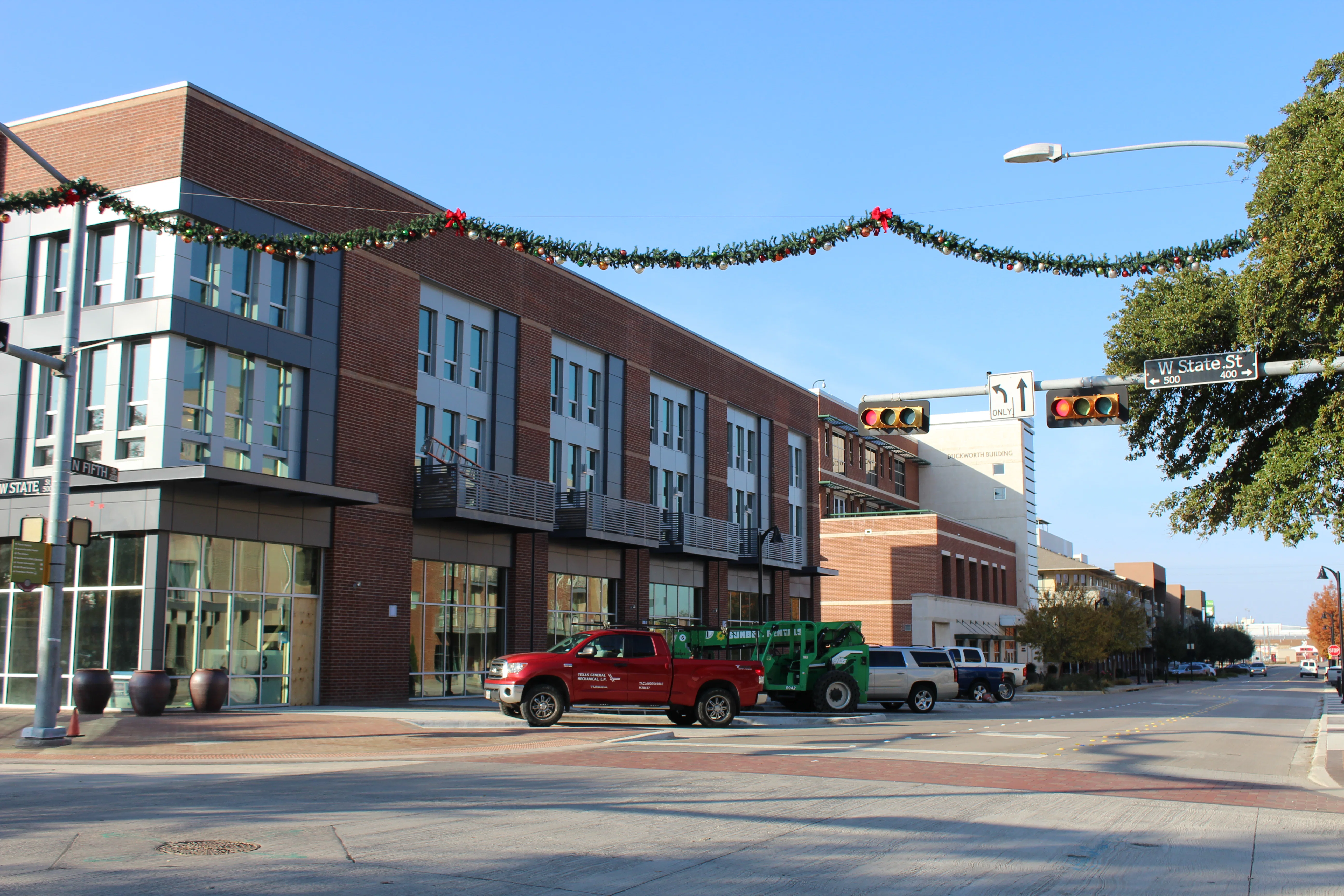
Garland Trade Show Exhibits visual for Exhibit House of DallasLocation

Garland's Strategic Position in the DFW Event Ecosystem

As part of the network of surrounding suburbs that sustain exhibit demand across North Texas, Garland enables targeted outreach to specific industry and community segments. Its location supports events that complement programming at central hubs, allowing planners to extend reach without limiting efforts to a single municipality.

The DFW metroplex treats areas like Garland, Mesquite, and Richardson as distinct from urban cores or airport-adjacent clusters such as Irving and Grapevine. This differentiation influences everything from audience profiles to material transport timing, requiring deliberate coordination that accounts for these operational variances.

Planning resources emphasize building programs that scale across these contexts, ensuring exhibit elements remain adaptable while adhering to the documented requirements of primary facilities that serve the entire region.

Coordination with Primary DFW Convention Infrastructure

The Kay Bailey Hutchison Convention Center functions as a foundational resource for exhibitors whose programs include Garland-area components. Its exhibitor documentation details move-in expectations, material handling, and compliance steps that inform planning for both large-scale shows and supporting activations in suburban locations.

Service partners listed by the convention center provide specialized capabilities in installation support, graphic production, and on-site technical services. Review of these approved partners helps align choices with published venue rules rather than assuming uniform application across all DFW districts.

Complementary venues including Dallas Market Hall and the Fashion Industry Gallery expand options for different event scales, enabling planners to match exhibit formats to the specific character of each location while maintaining program cohesion.

  • Examine exhibitor resources to anticipate peak-period requirements
  • Reference service partner directories when selecting supporting vendors
  • Align program timelines with published convention calendars

Logistics and Transportation Planning Across Districts

Regional logistics for Garland initiatives must integrate with the wider DFW transportation framework that connects suburbs to convention centers, hospitality nodes, and corporate campuses. Advance mapping of routes, timing, and transfer points helps prevent disruptions that arise from the metroplex's distributed event geography.

Freight arriving from national shows often requires careful staging before final delivery to either Garland corporate venues or downtown facilities. Planners coordinate these handoffs by referencing documented procedures rather than relying on unverified local assumptions.

The northeastern positioning of Garland relative to other DFW cities like Allen, Plano, and Rockwall creates both opportunities for sequential event scheduling and the need for specific scheduling to optimize material reuse across multiple stops.

Utility and Technical Specifications for Regional Events

Utility planning draws directly from venue-published specifications, particularly those available for the Kay Bailey Hutchison Convention Center covering electrical, internet, and audiovisual connections. These requirements vary by hall and must be ordered in advance to support both main exhibits and ancillary Garland activations.

Technical elements designed for DFW events benefit from modularity that accommodates the different infrastructure found in suburban versus downtown settings. Early review of utility grids and connection protocols prevents costly change orders during installation windows.

Coordinators reference official exhibitor utilities documentation to ensure all components comply with established standards, creating reliable performance whether the display appears in Garland or at a flagship convention.

  • Submit utility orders according to each venue's published deadlines
  • Verify compatibility between exhibit components and available power configurations
  • Document all technical requests through approved channels

Dock and Freight Management Best Practices

Loading dock operations at major DFW venues follow structured schedules and safety protocols outlined in official resources. Exhibitors whose programs touch Garland must synchronize suburban deliveries with these central dock windows to maintain program continuity.

Proper labeling, documentation, and carrier coordination reduce bottlenecks that can occur when material moves between districts. The convention center's dock guidelines serve as a reference point even for events staged outside its walls.

Successful freight management treats the entire metroplex as an interconnected system, planning for potential overlap between events in Garland, Arlington, and Frisco while respecting each location's distinct receiving constraints.

Developing Integrated Exhibit Campaigns Across DFW

Effective campaigns position Garland events as strategic extensions of larger DFW programming, using consistent messaging while adapting scale and interactivity to local venue parameters. This approach maximizes exposure across corporate, hospitality, and convention environments.

Performance tracking should capture differences in audience engagement between suburban nodes like Garland and primary convention districts. Insights gathered inform refinements for subsequent cycles within the same regional calendar.

Long-range planning incorporates the event planning guides published for cities throughout the metroplex, ensuring alignment with seasonal demand patterns and venue availability.

  • Create modular assets that transition between event scales
  • Document outcomes from each district to refine future strategy
  • Maintain awareness of ancillary events at facilities like the Omni Dallas Hotel

Operational Nuances and District Differentiation

Each DFW district maintains operational characteristics that affect exhibit coordination. Garland's suburban context contrasts with the high-volume requirements of downtown Dallas or the hospitality focus found in Grapevine and Irving, necessitating tailored planning documents for each.

Sources covering Arlington conventions, Frisco venues, and Irving event guides illustrate the value of reviewing municipality-specific materials even when primary activity occurs at the Kay Bailey Hutchison Convention Center.

This granular awareness prevents generic approaches that overlook important distinctions in labor rules, access hours, or material storage options across the region.

Garland routing and exhibit readiness

Garland programs need a routing plan that accounts for how the exhibit leaves storage, enters the selected room, and returns to the next Dallas-Fort Worth stop without forcing the team to rebuild basic assumptions. For this page, the useful planning check is the relationship between Garland, TX, Kay Bailey Hutchison Convention Center Dallas, and the service path that controls freight, graphics, utilities, and staff arrival. That local connection gives the buyer a concrete reason to compare the city with nearby venue and service pages before approving production details.

FAQ

Frequently Asked Questions About Garland TX Exhibit Planning

How does Garland relate to major DFW convention activity?

Garland functions as a suburban complement to primary venues like the Kay Bailey Hutchison Convention Center, allowing exhibitors to extend regional programs with targeted activations that align with broader metroplex schedules and requirements.

What resources should planners consult for DFW events touching Garland?

Key references include exhibitor guidelines, service partner lists, utility specifications, and dock procedures published by the Kay Bailey Hutchison Convention Center along with event planning materials from surrounding municipalities.

Why focus on district-level differences in DFW exhibit coordination?

Operational contexts vary significantly between Garland, downtown Dallas, Irving, Frisco, and Arlington. Accounting for these nuances in logistics, utilities, and venue rules produces more reliable outcomes than uniform templates.

What role do approved service partners play in regional planning?

Service partners vetted by major facilities ensure compliance with published venue regulations for installation, technical support, and material handling, forming an essential element of coordinated DFW programs.

How far in advance should exhibit programs be planned for the Garland area?

Multi-month timelines allow for proper utility ordering, freight scheduling, design validation against venue specifications, and alignment with published calendars for both suburban and central DFW events.

Can a single exhibit program successfully span Garland and downtown Dallas?

Yes, when built with modular components, clear logistics sequencing, and reference to the distinct requirements of each district, enabling efficient material reuse and consistent messaging across the metroplex.

Start the conversation

Develop Your Garland Exhibit Strategy

Connect with planning resources to align your next Garland activation with proven DFW operational frameworks and venue requirements.

Start your scope