Locations / McKinney TX Exhibit Planning: DFW Trade Show Coordination Resource

McKinney TX Exhibit Planning: DFW Trade Show Coordination Resource

Strategic guidance for coordinating exhibits that align with the distinct operational demands of DFW venue clusters accessible from McKinney.

Mckinney roleMckinney, TX
Nearest venue cueFairmont Dallas
Local pressureMcKinney needs a north-metro approach
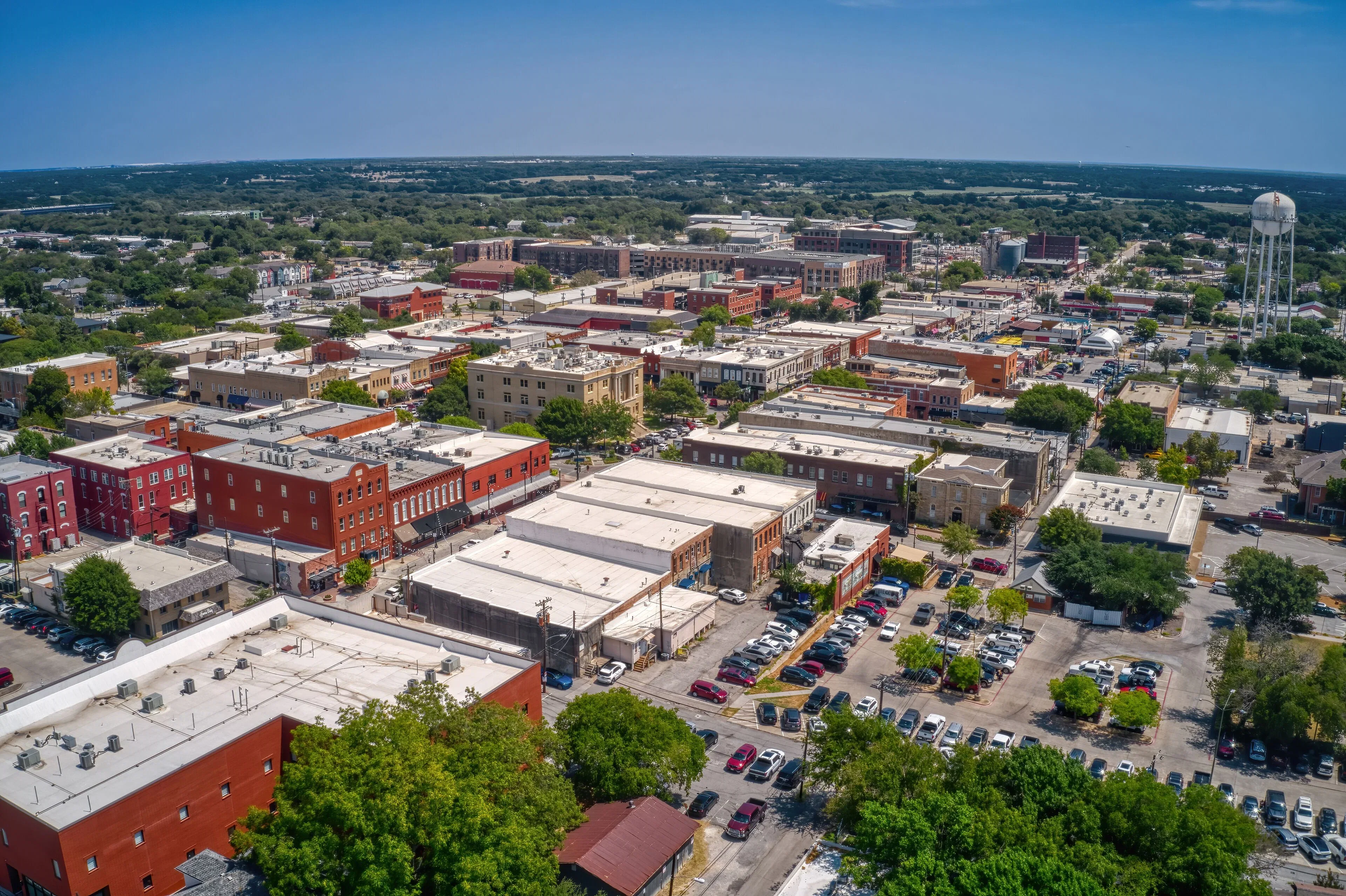
Mckinney Trade Show Exhibits visual for Exhibit House of DallasLocation

McKinney's Strategic Placement Within the DFW Events Framework

McKinney functions as a northern suburban node that supports participation in the broader DFW events ecosystem. The city's location facilitates efficient planning connections to multiple venue types, ranging from large-scale convention centers to specialized hospitality and entertainment districts. Planners must account for the distinct traffic patterns, loading logistics, and scheduling realities that emerge when bridging suburban bases with downtown or airport-adjacent facilities.

The surrounding municipalities, including McKinney, contribute to demand for exhibits, meetings, activations, and Installation and Dismantle services across primary corridors. This creates a need for coordination that respects the individual character of each cluster rather than applying uniform approaches. For instance, events drawing McKinney participants to downtown Dallas require different advance planning than those centered in nearby Frisco or Plano.

Understanding these relationships enables more specific budgeting, timeline development, and resource allocation. Coordination resources focus on translating facility-specific rules into actionable steps that maintain compliance while maximizing exhibit effectiveness for organizations operating from McKinney.

  • Recognition of McKinney as part of the network of suburbs supporting realistic exhibit and activation demand
  • Emphasis on corridor-based differentiation rather than generalized regional treatment
  • Focus on planning that incorporates documented venue requirements instead of assumed capabilities
  • Attention to sequencing that respects varying operational tempos across DFW districts

Downtown Dallas Venue Coordination for McKinney Exhibitors

The Kay Bailey Hutchison Convention Center Dallas represents a primary downtown anchor with extensive exhibitor resources. Documentation from the facility outlines expectations for exhibitors, approved service partners, utility provisions, and dock operations. Coordination from McKinney involves aligning transport schedules with these established procedures to ensure smooth arrival, setup, and removal of exhibit components.

Service partner lists maintained by the convention center provide the foundation for selecting contractors qualified to operate within the facility's guidelines. Planners reference these resources to avoid conflicts with union rules, electrical specifications, or material handling restrictions that are documented in official exhibitor materials. This approach maintains operational integrity across the downtown cluster.

Utility planning requires early consultation of center-provided specifications for power, internet, and other services. Dock procedures detail freight movement parameters that influence crate sizing, scheduling, and labor estimates. By integrating these factors during initial planning stages, McKinney organizations can develop realistic timelines that account for downtown density and peak-event constraints.

Additional downtown venues such as Dallas Market Hall and the Fashion Industry Gallery introduce further nuances in scale and audience focus. Coordination strategies differentiate these from the convention center by adjusting for their distinct access points, load-in tolerances, and exhibit duration patterns.

Northern Corridor Venues in Frisco, Plano, and Proximity Considerations

Frisco venues emphasize meetings and events within a planned community context that features modern facilities optimized for technology-forward presentations. Official planning guides highlight available spaces that accommodate corporate gatherings, product launches, and specialized exhibitions. Coordination for McKinney organizations benefits from the relatively direct access along regional thoroughfares, allowing tighter scheduling windows compared to longer downtown hauls.

Plano venues present their own operational signatures, often centered on corporate hospitality and mid-sized conferences. Differentiation emerges in labor protocols, preferred supplier relationships, and infrastructure capabilities that vary from both downtown Dallas and entertainment-focused districts. Planning resources stress the importance of reviewing each venue's specific documentation rather than assuming interchangeability.

The adjacency of these northern sites to McKinney creates opportunities for multi-day or multi-venue campaigns that sequence activities efficiently. However, each transition still requires separate attention to loading dock specifications, utility hookups, and service partner approvals to prevent cascading delays. This level of detail distinguishes professional coordination from generic event management.

  • Utilization of Frisco venue directories for matching event scale to facility capabilities
  • Attention to technology infrastructure differences across northern corridor sites
  • Scheduling buffers that reflect realistic suburban traffic and load-in patterns
  • Cross-referencing of service partner approvals for each distinct municipality

Arlington, Irving, and Grapevine Cluster Operational Distinctions

Arlington's convention and entertainment infrastructure supports large-scale activations tied to sports, tourism, and corporate events. Planning materials from the area emphasize its role as a distinct cluster with specific requirements for exhibit scale, installation windows, and audience flow. Coordination resources help map these needs against McKinney departure points to establish accurate timelines and contingency protocols.

Irving venues, particularly those near the airport, introduce logistics formed by air travel integration, international attendee patterns, and hospitality node density. Official guides detail meeting and convention resources that require separate consideration from both downtown and northern suburban venues. Grapevine adds further nuance through its focus on themed and experiential environments that influence exhibit design and material choices.

Treating these as separate operational contexts prevents oversimplification. For example, dock and freight procedures in airport-adjacent Irving differ in emphasis from those at the Kay Bailey Hutchison Convention Center. Similarly, utility and AV requirements in Arlington entertainment districts often prioritize immersive technology over standard power configurations.

Effective planning integrates these distinctions into unified campaigns that maintain compliance at each stop while optimizing the overall McKinney-to-DFW flow.

Material Handling, Utilities, and Service Partner Integration

DFW facilities maintain detailed documentation on material handling, with the Kay Bailey Hutchison Convention Center providing specific guidance on docks, freight movement, and related procedures. Coordination involves aligning exhibit components with these parameters from the earliest design phase to prevent on-site complications. Similar attention applies to utility specifications published for each major venue.

Service partner directories serve as the authoritative reference for identifying contractors cleared to work within particular facilities. These lists, updated by the venues themselves, ensure regulatory compliance and operational compatibility. Planners reference them to construct bid specifications and responsibility matrices that reflect actual venue rules rather than assumptions.

Utility planning extends beyond basic electrical to include data, rigging, and specialized connections that vary by cluster. Downtown Dallas installations often require more robust infrastructure planning due to building density, while Frisco and Arlington venues may emphasize wireless and digital integration. Documenting these requirements per venue forms the backbone of reliable coordination.

The synthesis of handling, utility, and partner elements into a cohesive plan distinguishes thorough preparation. This approach accounts for the full cycle from initial freight receipt through final dismantle across multiple DFW districts.

  • Early alignment with published dock and freight guidelines
  • Reference to venue-maintained service partner lists
  • Cluster-specific utility specification review
  • Integrated responsibility matrices for multi-venue projects

Developing Timelines and Budgets Across Differentiated DFW Districts

Creating realistic timelines requires incorporating the distinct rhythms of each venue cluster. Downtown Dallas events often involve longer lead times due to scale and security protocols, while northern sites like those in Frisco may permit more compressed schedules. McKinney departure logistics add another variable that must be modeled against actual traffic corridors and facility load-in windows.

Budget development follows similar principles of differentiation. Material handling rates, utility charges, and service partner fees are not uniform across the metroplex; they reflect individual venue policies and union contexts. Authoritative planning isolates these variables by cluster to produce forecasts that survive real-world execution.

Contingency planning addresses potential overlaps between major events at competing facilities, a common occurrence in a market as active as DFW. Resources that track these patterns help McKinney organizations avoid resource conflicts and maintain continuity across campaigns that span multiple locations and durations.

Technology Integration and Modern Exhibit Coordination

Contemporary exhibits increasingly incorporate digital, interactive, and data-driven elements that must interface with room-specific infrastructure. Coordination resources emphasize early review of published utility and AV guidelines to ensure compatibility rather than retrofitting solutions after design completion.

From basic power distribution to high-bandwidth connectivity, each cluster presents characteristic capabilities and limitations. Downtown convention centers typically support large-scale data demands, while hospitality venues in areas like Grapevine may prioritize well-sequenced wireless experiences. Planning that respects these realities prevents operational disruptions.

Integration extends to rigging, lighting, and structural requirements that are addressed in facility documentation. By treating technology as a core coordination element rather than an afterthought, exhibit plans achieve higher performance levels while remaining compliant with all documented standards across the DFW region.

  • Pre-design consultation of venue utility specifications
  • Matching digital requirements to cluster infrastructure profiles
  • Sequencing of technical installations according to facility protocols
  • Documentation of all technology interfaces for cross-venue consistency

FAQ

Frequently Asked Questions on McKinney DFW Exhibit Coordination

How does McKinney's location influence exhibit planning for DFW events?

McKinney's northern position creates both opportunities and considerations for sequencing transport to downtown Dallas, Frisco, Plano, Arlington, Irving, and Grapevine venue clusters. Coordination focuses on aligning with each district's distinct load-in, utility, and service partner requirements rather than applying uniform regional assumptions.

What resources guide service partner selection for Kay Bailey Hutchison Convention Center projects?

The convention center publishes official service partner listings and exhibitor guidelines that detail approved providers for material handling, utilities, and related services. These documents form the foundation for compliant coordination across downtown Dallas activations.

Why treat Frisco, Arlington, and Irving as separate operational contexts?

Each area maintains unique venue characteristics, traffic patterns, infrastructure capabilities, and regulatory nuances. Planning that differentiates these clusters produces more accurate timelines, budgets, and execution strategies than generalized DFW approaches.

What role do dock and utility specifications play in successful coordination?

Published dock procedures and utility requirements directly influence crate dimensions, scheduling, power planning, and labor estimates. Early integration of these room-specific details prevents delays and ensures compatibility throughout the exhibit lifecycle.

How are multi-venue campaigns coordinated for organizations connected to McKinney?

Campaigns are mapped against the distinct operational profiles of each participating cluster, with separate attention to transport timing, partner approvals, and technical requirements. This produces integrated schedules that respect individual facility rules while optimizing overall flow.

Where can planners find authoritative information on DFW venue requirements?

Facility websites provide exhibitor guides, service partner directories, utility specifications, and dock procedures. These primary sources ensure all coordination recommendations remain grounded in documented operational realities rather than generalized assumptions.

Start the conversation

Begin Your DFW Exhibit Coordination

Connect with our planning specialists to develop a compliant, room-specific strategy for your next McKinney-area project in the Dallas-Fort Worth market.

Start your scope