Locations / Richardson TX Exhibit Planning and Trade Show Coordination

Richardson TX Exhibit Planning and Trade Show Coordination

Strategic planning and coordination resources for exhibits, corporate activations, and events in Richardson within the broader Dallas-Fort Worth ecosystem.

Richardson roleRichardson, TX
Nearest venue cueGaylord Texan Resort & Convention Center
Local pressureRichardson often serves technology and business
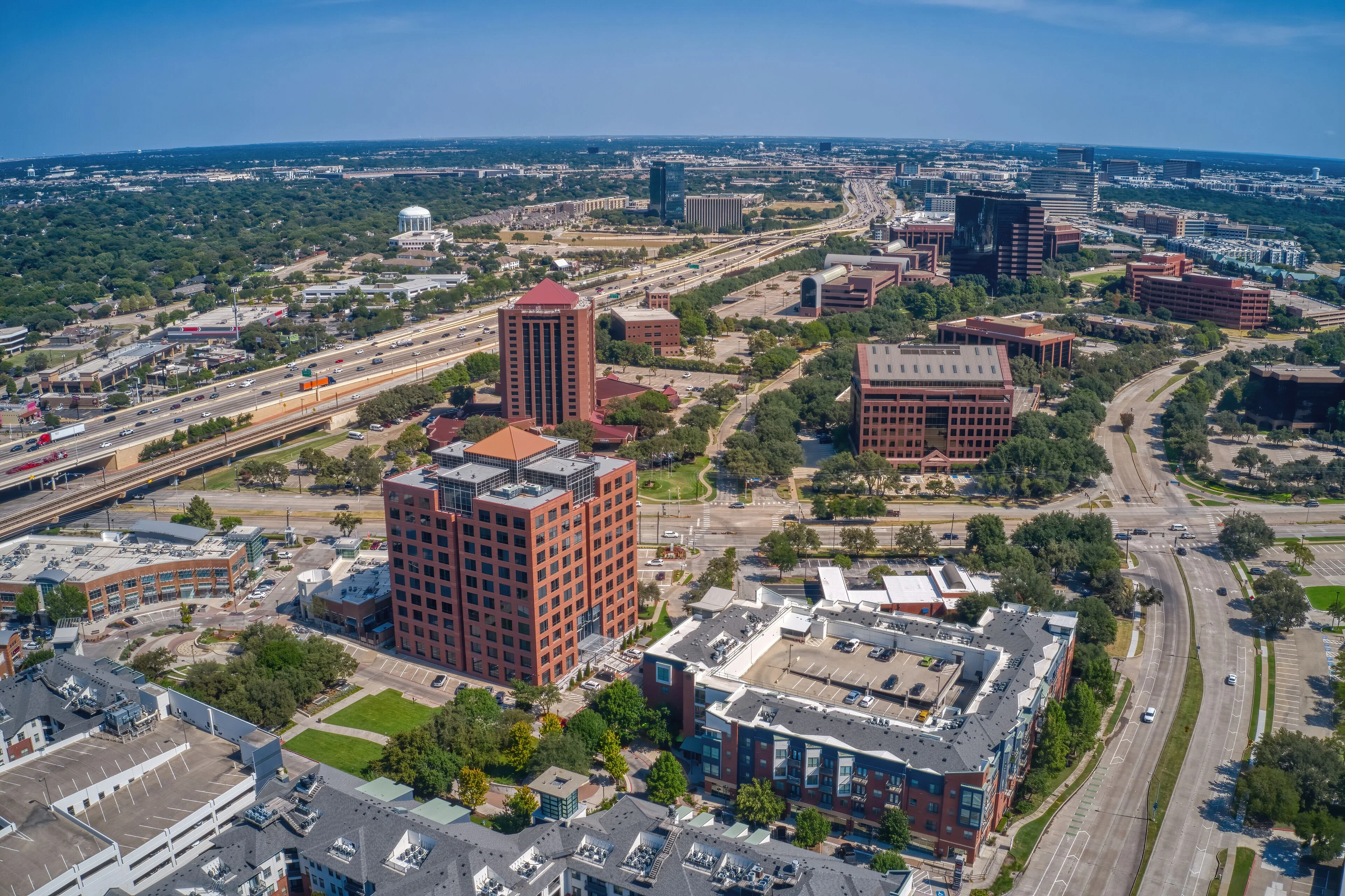
Richardson Trade Show Exhibits visual for Exhibit House of DallasLocation

Richardson's Position in the DFW Event Landscape

Within the network of recommended DFW locations, Richardson functions as a corporate and innovation hub that hosts events distinct from large-scale conventions held downtown or hospitality-driven programs in Grapevine and Arlington. Its events frequently target specialized technical audiences, requiring exhibits that convey complex information efficiently within conference or corporate facility settings.

Planning resources stress the value of treating Richardson as one element in a wider ecosystem that includes Plano to the north, Addison to the southwest, and direct access corridors to the Kay Bailey Hutchison Convention Center. This approach supports campaigns that maintain brand consistency while adapting scale and messaging to each municipality's operational context.

Event organizers gain advantage by reviewing patterns across the thirty-five covered cities, recognizing that suburban nodes like Richardson, Carrollton, and Farmers Branch often emphasize shorter lead times and focused attendee engagement compared to multi-day expos at central convention facilities.

Coordination therefore begins with mapping event dates against regional calendars published for Irving, Arlington, and Frisco to avoid conflicts and identify opportunities for cross-promotion or shared logistics.

  • Technology and telecom sector concentration
  • Suburban corporate facility preference over convention halls
  • Integration potential with Plano and Allen events
  • Shorter setup windows typical of mid-market activations
  • Emphasis on targeted ROI within specialized audiences

Strategic Exhibit Design for Northern DFW Corporate Events

Exhibit design for Richardson events prioritizes clarity, interactivity, and technical discipline to match the expectations of engineering, IT, and executive audiences common in this market. Designs must balance portability with visual impact, allowing controlled movement between corporate campuses and occasional participation at larger DFW venues.

Effective planning incorporates early concept development that accounts for differing venue constraints across clusters. While downtown Dallas facilities publish detailed utility and dock specifications, suburban Richardson programs often operate under hotel or office park guidelines that require modular solutions capable of quick reconfiguration.

Coordination resources recommend reviewing service partner directories maintained by major convention centers even for primarily suburban campaigns. This ensures compatibility if an activation expands to include exhibit components at the Kay Bailey Hutchison Convention Center or Dallas Market Hall.

Successful designs also consider storage and refurbishment cycles that align with recurring events in nearby cities such as Garland, Mesquite, and McKinney, reducing long-term material costs.

Logistics and Access Planning Across DFW Corridors

Logistics for Richardson events center on efficient movement of materials through northern DFW transportation networks, with attention to airport proximity for national exhibitors and local delivery routes that avoid peak downtown congestion. Planning emphasizes advance scheduling to coordinate with documented dock and material handling procedures at regional facilities.

When events scale to include the Kay Bailey Hutchison Convention Center, exhibitors must follow published guidelines for dock door usage, advance freight deadlines, and authorized carriers. These standards provide a reliable framework even for programs originating in suburban locations like Richardson.

Coordination extends to alignment with event planning guides from neighboring municipalities including the Irving Event Planning Guide and resources from Arlington and Frisco. Such references help anticipate variations in load-in timing, parking restrictions, and vendor access that differ by cluster.

Effective plans incorporate contingency timing for I&D activities, recognizing that suburban venues may have more constrained windows than purpose-built convention docks.

  • Reference published dock and freight guidelines
  • Coordinate with regional carrier schedules
  • Account for variations between suburban and downtown access
  • Plan for advance material receiving windows
  • Align with Irving, Arlington, and Frisco planning documents

Planning around Service Partners and Regional Standards

DFW event coordination relies on established service partner ecosystems documented by major venues. The Kay Bailey Hutchison Convention Center maintains an official list of approved providers for electrical, internet, rigging, and labor services that can inform planning even for Richardson-based programs that intersect with larger shows.

Planners are advised to consult the center's exhibitor resources for utilities ordering procedures, including advance forms for power, water, and data services. These protocols establish benchmarks that promote consistency when exhibits move between Richardson corporate events and convention floor activations.

Additional references to Dallas Market Hall and Fashion Industry Gallery listings help identify patterns in vendor expectations across the metroplex. This knowledge supports smoother contracting and reduces last-minute adjustments during multi-venue campaigns.

By treating these resources as planning foundations rather than location-specific mandates, coordinators develop flexible strategies suitable for the full spectrum of DFW municipalities from Cedar Hill to Lewisville.

  • Review official service partner directories
  • Follow advance utility ordering processes
  • Consult exhibitor What to Expect guidelines
  • Align rigging and electrical plans with published specs
  • Reference dock door and freight handling rules

Venue Cluster Differentiation in the Dallas-Fort Worth Area

The DFW region contains distinct venue clusters with unique operational contexts that must be respected during planning. Downtown Dallas emphasizes large-scale convention infrastructure with comprehensive utility and labor protocols, while areas like Frisco and Arlington focus on sports-adjacent and entertainment-driven hospitality.

Richardson and surrounding northern suburbs form a corporate technology cluster where events typically occur in hotel ballrooms, office campuses, or specialized conference centers. These settings require different material handling and setup considerations than those documented for the Kay Bailey Hutchison Convention Center or Irving convention facilities.

Grapevine and the airport corridor present yet another context centered on transient traveler audiences and trade show activations tied to tourism. Successful coordination identifies these distinctions early, adjusting booth footprints, graphic scales, and interactive elements accordingly.

Treating each cluster separately enables more accurate budgeting, timeline development, and expectation setting for exhibitors participating across multiple DFW locations.

  • Downtown Dallas: convention-scale infrastructure
  • Frisco and Plano: corporate hospitality focus
  • Arlington: sports and entertainment adjacency
  • Richardson: technology and innovation emphasis
  • Irving and Grapevine: airport and tourism corridors

Budgeting, Measurement, and Continuous Improvement

Budget development for Richardson events incorporates line items for design, fabrication, transportation within the DFW region, installation coordination, and post-event analysis. Planners reference utility and service costs published by convention centers to create realistic estimates even when primary activity occurs in suburban settings.

Measurement frameworks should capture both quantitative metrics such as lead volume and qualitative feedback relevant to technical audiences. Tracking these indicators across multiple events in Richardson, Allen, and McKinney reveals patterns that inform future refinements.

Continuous improvement cycles benefit from reviewing outcomes against original timelines and comparing performance with similar activations in neighboring clusters like Carrollton or Flower Mound. This data-driven approach strengthens future proposals and demonstrates value to stakeholders.

Long-term planning also considers storage and refurbishment strategies that maintain exhibit assets across annual regional event calendars.

Preparing for Emerging Trends in North Texas Events

North Texas event trends point toward increased hybridization, with Richardson corporate programs combining in-person demonstrations and virtual components. Exhibit planning must therefore incorporate technology infrastructure compatible with both live and streamed audiences.

Sustainability considerations are rising across all DFW clusters, influencing material selection and shipping methods. Coordinators reference evolving guidelines from convention centers and municipalities to anticipate future requirements for waste reduction and reusable components.

Integration with broader regional campaigns spanning Arlington, Fort Worth, and Frisco allows exhibitors to amplify presence without proportional budget increases. Strategic planning identifies these overlap opportunities early in the development process.

By maintaining awareness of documented practices at the Dallas Convention Center and surrounding venues, resources stay positioned to advise on adaptations that keep Richardson events competitive and forward-looking.

  • Hybrid event technology integration
  • Sustainable material and shipping practices
  • Cross-cluster campaign alignment
  • Data-informed design iteration
  • Evolving utility and AV requirements

FAQ

Frequently Asked Questions About Richardson TX Exhibit Planning

How does exhibit planning for Richardson differ from downtown Dallas conventions?

Richardson events typically target specialized corporate and technology audiences in suburban venues, requiring more focused, modular designs compared to the large-scale, utility-intensive setups documented for the Kay Bailey Hutchison Convention Center.

What logistics resources should be reviewed for northern DFW events?

Planners reference published guidelines on docks, utilities, service partners, and exhibitor procedures from the Dallas Convention Center along with event planning documents from Irving, Arlington, and Frisco to ensure coordinated material handling.

Can the same exhibit assets be used across Richardson, Plano, and Frisco?

Yes. Modular designs that align with varying cluster requirements allow assets to move efficiently between suburban corporate events and larger regional activations while maintaining consistent branding.

When should coordination with regional service partners begin?

Early consultation of approved partner lists and advance ordering procedures for utilities and labor helps avoid scheduling conflicts and ensures compatibility when Richardson events intersect with major DFW convention activity.

What makes Richardson a distinct planning node within DFW?

Its concentration of technology and corporate headquarters creates demand for specialized, innovation-focused activations that complement rather than duplicate the hospitality, tourism, or convention emphases of neighboring cities.

How are budgets developed for multi-cluster DFW campaigns?

Budgets incorporate documented costs for utilities, freight, and services from convention center resources while adjusting for the specific scale and timelines associated with suburban markets like Richardson.

Start the conversation

Plan Your Next Richardson Event

Contact our planning team for strategic coordination support tailored to Richardson and the full Dallas-Fort Worth region.

Start your scope