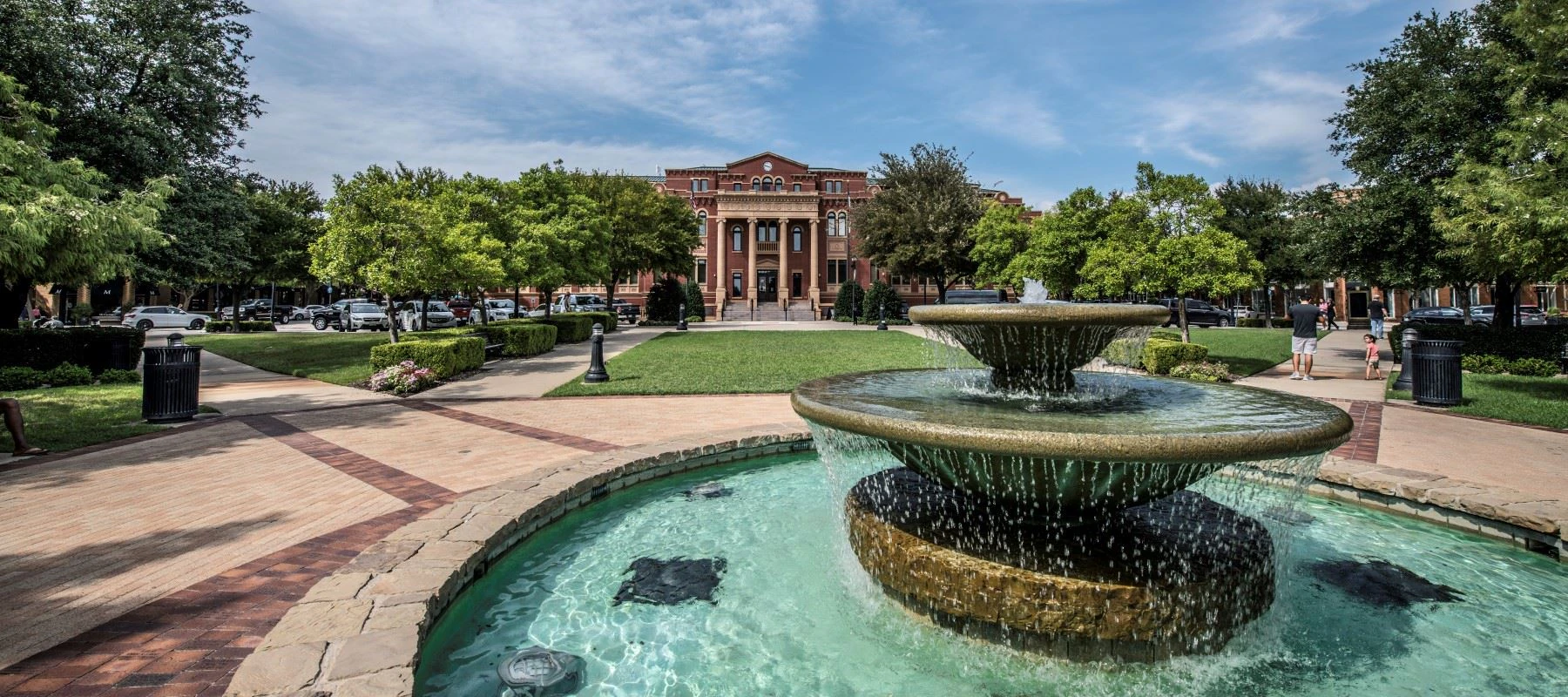
Locations / Southlake, TX Exhibit Planning and Trade Show Coordination

Southlake, TX Exhibit Planning and Trade Show Coordination

Authoritative guidance for coordinating exhibits, activations, and displays that connect Southlake corporate audiences with the full spectrum of DFW venue operations.

Southlake roleSouthlake, TX
Nearest venue cueArlington Convention Center
Local pressureSouthlake events call for polished
Southlake Trade Show Exhibits visual for Exhibit House of DallasLocation

Southlake's Role Among DFW Suburban Corporate Nodes

Southlake participates in the wider network of municipalities that sustain exhibit and conference activity throughout the Dallas-Fort Worth region. As one of the recognized suburban corporate concentrations, it supports organizations that combine localized business development with participation in major trade shows hosted at central venues. This positioning calls for planning that respects the distinct pace and audience expectations found in affluent suburban settings compared to the high-volume environments of downtown Dallas or the sports-adjacent facilities in Arlington.

Coordination efforts often involve synchronizing Southlake activations with broader event schedules published by convention authorities in Dallas, Fort Worth, Grapevine, and Frisco. Such alignment enables exhibitors to extend campaign reach without duplicating efforts across multiple sites. Operational details such as advance material staging and post-event logistics gain importance when programs span these varied districts.

Recognizing Southlake within the larger venue corridors helps avoid generic approaches. Instead, planners can tailor elements like graphic scale, interactivity, and duration to match both the refined corporate atmosphere of Southlake and the technical demands of larger exhibition halls.

  • Map corporate demand patterns across Southlake and adjacent communities
  • Align program timing with established DFW convention calendars
  • Differentiate audience engagement tactics by municipal cluster
  • Evaluate transportation impacts on overall program feasibility
  • Incorporate flexibility for last-mile adjustments between sites

Logistics and Access Planning for Southlake-Based Programs

Material movement to and from Southlake requires consideration of airport approaches and primary freight routes that serve the DFW metropolitan area. Exhibits destined for major shows must comply with receiving schedules and dock procedures maintained at facilities such as the Kay Bailey Hutchison Convention Center. Early review of these parameters prevents bottlenecks that can arise when suburban origins intersect with downtown or entertainment-district traffic patterns.

Planners benefit from mapping how Southlake's location influences carrier selection, crating standards, and advance shipping windows. The broader regional infrastructure, including hotels and support venues cataloged in Irving and Arlington planning guides, provides additional options for staging or hospitality components that complement main exhibit activities. Attention to these interconnected elements supports smoother overall execution.

Successful logistics also account for return freight after dismantle, ensuring materials can be efficiently redirected whether returning to storage or repurposed for subsequent activations in Plano, Frisco, or other listed nodes. This comprehensive view treats Southlake not as an endpoint but as a flexible participant in the DFW event supply chain.

  • Consult dock and freight guidelines for each target venue
  • Schedule carriers with knowledge of Suburban to Urban transit times
  • Prepare documentation for cross-cluster material handling
  • Identify backup staging locations within the approved network
  • Track environmental factors that may affect shipment integrity

Working with Service Partners Across DFW Venues

Each primary convention facility publishes its own directory of approved service partners responsible for electrical, rigging, plumbing, and material handling services. For programs touching Southlake, coordination involves selecting partners whose capabilities align with the specific requirements of the chosen host venue, whether that is the Kay Bailey Hutchison Convention Center, Dallas Market Hall, or sites referenced in Frisco and Arlington resources. This approach maintains compliance while optimizing performance.

Service partner ecosystems vary by cluster. Downtown Dallas facilities emphasize large-scale infrastructure support, while suburban and northern venues may focus on agility and rapid turnaround. Understanding these distinctions allows planners to anticipate labor scopes, pricing structures, and advance order deadlines rather than applying a uniform framework across the region.

Effective management includes confirming all partner assignments well before move-in and maintaining clear communication channels that accommodate the geographic spread between Southlake planning offices and show floor staff at distant halls. Such diligence reduces friction and supports consistent brand presentation regardless of location.

  • Reference official service partner lists for each facility
  • Compare capabilities against program-specific technical needs
  • Secure advance orders according to published deadlines
  • Document all agreements to support coordinated handoffs
  • Monitor partner performance against venue expectations

Venue Cluster Differentiation and Operational Nuances

The DFW region comprises multiple distinct venue clusters, each presenting different operational contexts that affect exhibit planning for Southlake-adjacent programs. Downtown Dallas centers on the Kay Bailey Hutchison Convention Center with its emphasis on utilities, dock access, and large-scale exhibitor services. In contrast, Grapevine and Irving clusters offer hospitality-focused environments while Arlington prioritizes meetings tied to entertainment and sports venues. Frisco maintains its own roster of modern meeting facilities suited to technology and corporate events.

Southlake planners must calibrate their approach to these differences. A booth engineered for the column-free halls of the convention center may need modular adjustments when deployed in more intimate corporate settings or ballrooms listed in regional guides. Similarly, labor jurisdictions and installation timelines shift between clusters, necessitating cluster-specific checklists rather than generalized procedures.

This differentiation extends to audience expectations. Southlake events often attract decision-makers from finance, technology, and healthcare sectors who then attend larger exhibitions elsewhere in the metroplex. Designs and messaging should therefore maintain continuity while adapting to the technical and spatial parameters unique to each stop along the regional corridor.

  • Catalog spatial and technical specifications per cluster
  • Adjust rigging and utility plans according to venue type
  • Align messaging arcs across sequential district appearances
  • Prepare contingency plans for cluster-specific weather impacts
  • Document jurisdictional variations for install and dismantle

Utility and Infrastructure Requirements

Major DFW venues maintain detailed specifications for electrical, internet, plumbing, and audiovisual infrastructure that directly influence exhibit engineering. Programs originating from or involving Southlake must incorporate these requirements during the design phase to avoid costly on-site modifications. Resources from the convention center outline standard provisions as well as advance ordering processes that help secure necessary connections before move-in begins.

Planners should evaluate how utility demands scale between a compact Southlake corporate activation and a full island booth at a flagship exhibition. Factors such as power capacity, data bandwidth, and suspension points vary significantly across facilities, making early consultation with published exhibitor manuals essential. This preparation ensures that custom displays operate as intended regardless of the specific district.

Beyond core utilities, considerations include internet reliability for live demonstrations, climate control compatibility, and waste management protocols. Integrating these elements into the master project timeline helps maintain budgetary discipline while delivering the coordinated attendee experiences expected in competitive DFW markets.

  • Compile utility specifications from target venue documentation
  • Calculate load requirements during initial design reviews
  • Schedule advance orders within published windows
  • Verify compatibility between exhibit components and hall infrastructure
  • Plan for redundancy in critical power and data systems

Timeline Development for Multi-Venue Campaigns

Successful Southlake programs unfold according to timelines that begin months before the first activation. Initial concepting must incorporate research into show schedules, labor availability, and service partner lead times published by Dallas, Arlington, Frisco, and Grapevine authorities. This extended planning horizon accommodates the fabrication, testing, and refinement required for displays that will travel between suburban and central venues.

Intermediate milestones include confirmation of all service orders, submission of booth renderings for approval where required, and rehearsal of installation sequences tailored to each cluster's constraints. By building buffer periods into the schedule, coordinators can absorb minor disruptions without compromising overall program integrity or brand consistency.

Post-event reviews feed into subsequent planning cycles, allowing refinement of logistics routes, design elements, and partner selections based on observed performance across the DFW landscape. This iterative process focus the quality of future Southlake-centered initiatives while reinforcing operational efficiency throughout the region.

  • Initiate concept development nine to twelve months prior
  • Secure venue and service contracts at earliest opportunity
  • Allocate dedicated windows for design approval and revisions
  • Schedule logistics rehearsals before major move-in dates
  • Conduct after-action analysis to inform future cycles

Exhibit Design Strategies Optimized for Southlake and DFW

Exhibit design for Southlake benefits from modular architectures that accommodate both intimate corporate gatherings and expansive convention floors. Elements such as interchangeable graphics, reconfigurable frameworks, and scalable lighting allow a single investment to perform across multiple DFW venue types without sacrificing visual impact or functionality. This adaptability is particularly valuable when programs transition rapidly between districts.

Attention to materials, weight, and crate dimensions streamlines transportation between Southlake and distant halls while meeting the handling standards outlined in venue exhibitor resources. Designs should also anticipate varying ceiling heights, lighting conditions, and traffic flows documented for facilities ranging from the Fashion Industry Gallery to larger exhibition spaces.

Incorporating feedback loops from prior regional activations ensures that storytelling, interactivity, and lead capture mechanisms evolve to match the sophisticated expectations of Southlake audiences and the competitive intensity of flagship DFW shows. The result is a cohesive yet flexible presence that maximizes return across the entire market.

  • Prioritize modularity for cross-cluster reuse
  • Validate dimensions against all target venue floor plans
  • Integrate technology compatible with available utilities
  • Test assembly sequences under simulated time constraints
  • Incorporate sustainability features valued in the region

FAQ

Frequently Asked Questions

How does Southlake fit into broader DFW trade show planning?

Southlake operates as a suburban corporate node that complements larger exhibitions held at the Kay Bailey Hutchison Convention Center, venues in Grapevine, Frisco, Arlington, and Irving. Planning therefore focuses on coordinated logistics and design continuity across these differentiated clusters rather than treating Southlake in isolation.

What logistics factors matter most when coordinating from Southlake?

Key factors include alignment with dock schedules, advance freight windows, and approved carrier routes that connect suburban origins to central convention facilities. Early consultation of each venue's material handling guidelines helps prevent delays and ensures compliance throughout the DFW network.

Are service partners selected differently for Southlake events?

Service partner selection is driven by the specific host venue rather than the Southlake origin. Each convention center and exhibition hall maintains its own approved roster; matching program needs to these lists ensures regulatory adherence and operational reliability across clusters.

How far ahead should planning begin for Southlake programs?

Complex campaigns spanning multiple DFW districts typically require nine to twelve months of lead time. This horizon accommodates design, fabrication, regulatory review, service ordering, and logistics mapping drawn from official resources for the Kay Bailey Hutchison Convention Center and neighboring facilities.

What makes venue clusters operationally distinct in the DFW area?

Clusters differ in scale, labor protocols, utility infrastructure, audience demographics, and technical specifications. Downtown Dallas emphasizes high-capacity exhibition support while Grapevine, Frisco, and Arlington present hospitality, technology, or entertainment-focused contexts that require tailored exhibit adaptations.

Where should planners look for official DFW venue information?

Official exhibitor manuals, service directories, utility specifications, and dock procedures are available directly from each facility. Cross-referencing these resources for all intended venues provides the authoritative foundation needed for compliant and effective Southlake-linked programs.

Start the conversation

Begin Planning Your Southlake Program

Connect with our coordination specialists for guidance tailored to the distinct operational requirements of Southlake and the surrounding Dallas-Fort Worth venue clusters.

Start your scope