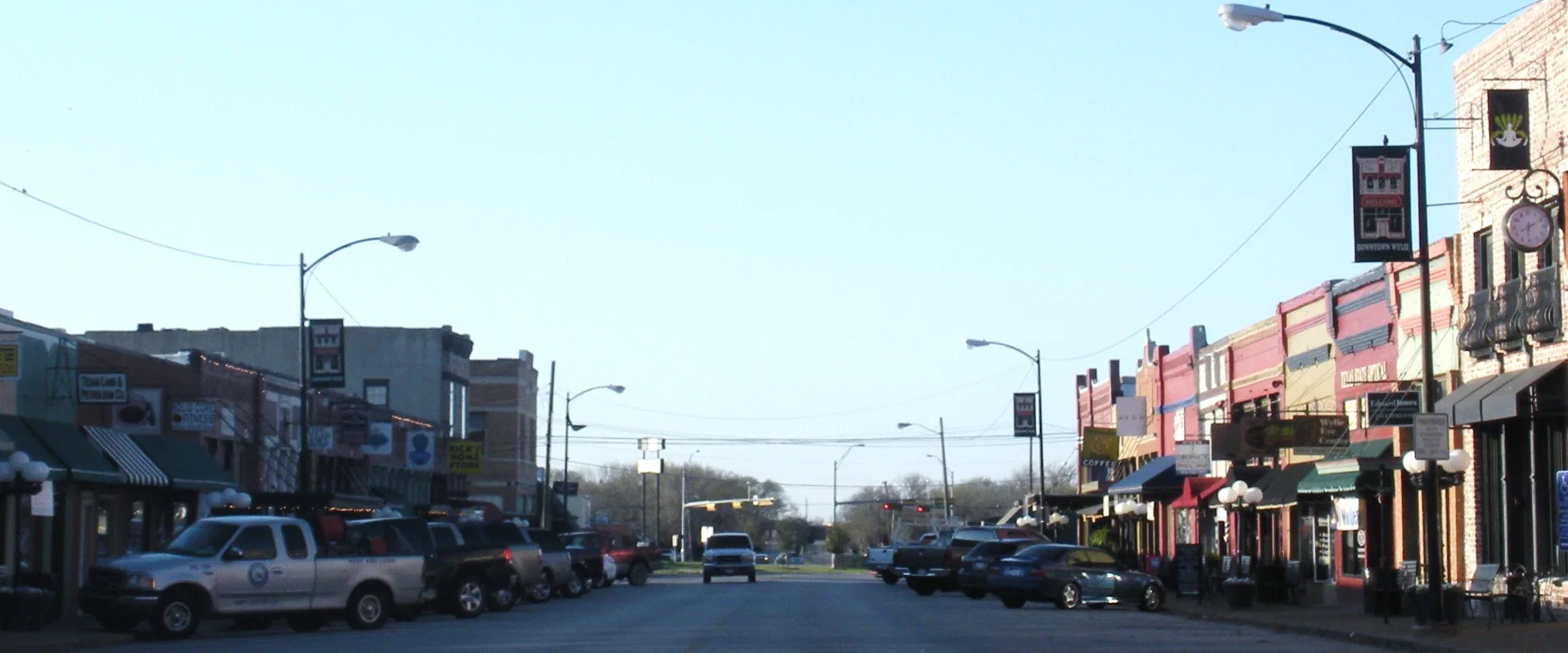
Locations / Wylie, TX: Exhibit Planning and Coordination for the Dallas-Fort Worth Metroplex

Wylie, TX: Exhibit Planning and Coordination for the Dallas-Fort Worth Metroplex

Businesses in Wylie gain strategic access to the full spectrum of DFW exhibition opportunities through structured planning that accounts for distinct venue clusters, logistics corridors, and operational requirements across the region.

Wylie roleWylie, TX
Nearest venue cueEsports Stadium Arlington
Local pressureWylie needs practical northeast-corridor support
Wylie Trade Show Exhibits visual for Exhibit House of DallasLocation

Wylie's Position in the Broader DFW Exhibition Ecosystem

As one of numerous surrounding suburbs that support exhibition demand across the Dallas-Fort Worth metroplex, Wylie provides a base for organizations engaging with events in multiple distinct clusters. These clusters include the primary convention hub in downtown Dallas, entertainment and sports-oriented venues in Arlington, airport-adjacent facilities in Irving, and growing corporate nodes in Plano, Frisco, and Grapevine. Each area presents separate logistical and operational considerations that influence planning decisions for Wylie coordinators.

The market covers primary venue corridors, airport approaches, suburban corporate nodes, and secondary municipalities capable of supporting shows, conferences, activations, and Install and Dismantle activity. This distribution allows Wylie businesses to select venues based on audience alignment, exhibit scale, and transportation feasibility rather than defaulting to a single location. Planning resources therefore stress early evaluation of these differences to prevent mismatches between event objectives and venue capabilities.

Sources covering Irving event planning, Arlington conventions, Frisco venues, and Dallas facilities reinforce that successful participation depends on understanding these nuances. For Wylie teams, this means building coordination strategies that respect the separate identities of each cluster while maintaining consistency in overall program management.

  • Downtown Dallas for large-scale conventions and trade shows
  • Arlington for sports-adjacent and entertainment activations
  • Irving for airport-proximate national and regional events
  • Frisco and Plano for technology and corporate-focused gatherings
  • Grapevine for hospitality-integrated exhibition programs

Logistics and Freight Coordination from Suburban Origins

Material handling and transportation form the backbone of reliable exhibition execution for Wylie-based programs. Venues throughout DFW maintain specific dock, delivery, and appointment systems that must be integrated into any coordination plan. Official resources for the Kay Bailey Hutchison Convention Center detail dedicated exhibitor docks and material handling procedures designed to manage inbound and outbound flows efficiently during peak periods.

Coordinators must account for routing patterns that connect suburban locations like Wylie to central venues, ensuring carriers are selected for their familiarity with regional traffic patterns and facility access rules. Early scheduling of freight prevents compression of installation windows and reduces the likelihood of storage complications or last-minute adjustments that can affect overall program costs.

This planning emphasis extends to return logistics, where outbound material handling follows similarly structured protocols. By treating freight as an integrated element rather than an afterthought, Wylie organizations achieve greater predictability across multi-venue calendars and maintain alignment with the documented requirements published by each facility.

Market notes confirm that suburbs including Wylie realistically support search intent for these logistics services, underscoring the value of structured coordination that begins well before load-out dates.

  • Advance carrier selection based on venue familiarity
  • specific adherence to dock appointment windows
  • Comprehensive documentation for all shipment stages
  • Buffer time allocation for DFW corridor variables
  • Integration of return freight into initial planning

Service Partner Frameworks at Key DFW Venues

Major facilities such as the Kay Bailey Hutchison Convention Center publish service partner directories that outline approved providers for electrical, rigging, labor, and related needs. These frameworks exist to maintain operational standards and streamline on-site activities for all exhibitors. Wylie coordinators benefit from reviewing these directories during the planning phase to ensure selections comply with each venue's specific guidelines.

Similar partner structures appear across other DFW locations, though the composition and emphasis vary according to the facility's primary event types. Sources from Dallas convention resources emphasize the importance of engaging partners who understand the distinct operational contexts, whether at downtown convention centers or at more specialized sites like Dallas Market Hall and the Fashion Industry Gallery.

This approach avoids conflicts with venue policies while supporting efficient installation and dismantle phases. Coordination resources for Wylie organizations therefore highlight the need to cross-reference official service partner listings against program requirements before finalizing agreements.

By maintaining this discipline, planners create smoother collaboration across the exhibition lifecycle and reduce the potential for delays stemming from non-compliant selections.

Utility and Infrastructure Requirements by Venue Cluster

Each DFW venue cluster maintains distinct provisions for utilities including electrical, internet, plumbing, and rigging support. Documentation for the Kay Bailey Hutchison Convention Center outlines utility connection procedures, available amperage options, and ordering protocols that exhibitors must follow to power complex displays effectively. Similar detail appears in resources covering docks and material handling at these facilities.

Northern and mid-cities venues present their own infrastructure profiles formed by building design and typical event scale. For Wylie planners, this differentiation necessitates cluster-specific checklists rather than uniform assumptions across the metroplex. Early utility planning prevents capacity shortfalls or scheduling conflicts that could compromise exhibit functionality during show hours.

Integration of these requirements into the broader coordination timeline allows for accurate budgeting and resource allocation. Official venue materials provide the authoritative basis for these decisions, ensuring that Wylie-based programs remain compliant while optimizing performance across varied event environments.

This level of operational detail separates successful multi-event programs from those that encounter repeated infrastructure challenges.

  • Electrical capacity assessment matched to exhibit design
  • Advance ordering of internet and data services
  • Review of rigging points and weight limitations
  • Coordination of plumbing and waste management where applicable
  • Documentation of all utility connections for post-show reconciliation

Timeline Development for Installation and Dismantle Across Clusters

room-specific move-in and move-out schedules vary significantly between downtown convention centers, suburban corporate facilities, and entertainment-focused locations in Arlington or Irving. The Kay Bailey Hutchison Convention Center and supporting Dallas venues publish explicit timelines that form the foundation for realistic project scheduling. Wylie coordinators must incorporate travel time from northeast suburbs when constructing these calendars to maintain appropriate buffers.

Complex exhibits requiring extensive rigging or custom fabrication demand longer lead times for both installation and dismantle phases. Planning resources stress the creation of detailed milestone charts that align design finalization, fabrication completion, freight dispatch, and on-site labor with the published windows of each target facility.

Post-show dismantle coordination receives equal attention, particularly when outbound freight must return to Wylie-area storage or preparation facilities. By mapping these activities against the distinct operational calendars of different clusters, organizations reduce overtime risks and improve overall cost control.

Consistent application of this timeline discipline across multiple events builds institutional knowledge that compounds in effectiveness over successive exhibition cycles.

Strategic Event Selection and Market Alignment

The DFW region supports a diverse calendar of trade shows, conferences, and activations as documented in planning guides from Irving, Arlington, Frisco, and Dallas. Wylie organizations can align participation with specific demand drivers by evaluating audience profiles, exhibit compatibility, and logistical practicality for each venue type. Resources covering Omni Dallas Hotel, Dallas Market Hall, and the Fashion Industry Gallery illustrate the range of scales and formats available.

Corporate nodes in areas like Addison and Plano often host technology and business-focused events with different infrastructure needs than large consumer exhibitions at central convention centers. This variety enables targeted participation strategies rather than blanket attendance across all opportunities. Coordination from Wylie benefits from early identification of these alignments to optimize design reuse and program continuity.

Market analysis indicates that the combination of convention-center cities, hospitality nodes, and suburban municipalities creates a rich environment for sustained exhibition activity. Planners who reference these established patterns develop more sophisticated multi-year strategies that balance visibility, cost, and operational feasibility.

Regular consultation of venue-published materials ensures that event selection remains grounded in current operational realities rather than generalized assumptions.

  • Audience demographic matching to venue event calendars
  • Scale assessment against facility dimension limits
  • Frequency evaluation for design amortization
  • Integration of corporate hospitality opportunities
  • Measurement framework development for each event type

Budget Optimization and Post-Event Evaluation Practices

Comprehensive budgeting for Wylie-based DFW exhibitions extends beyond fabrication to encompass transportation, approved service partners, utilities, labor, and contingency allocations specific to each venue cluster. Sources from Dallas convention resources highlight the need to account for these variables individually rather than applying uniform percentages across all events.

Early engagement with planning frameworks allows identification of efficiencies such as modular exhibit components that transfer effectively between downtown and suburban venues. This approach moderates costs while preserving brand consistency. Post-event reviews that capture actual versus projected expenses, timeline adherence, and logistical outcomes provide data for continuous refinement of future coordination efforts.

Treating each exhibition as part of an integrated regional program rather than isolated activities enables better negotiation leverage with carriers and service providers over time. The resulting knowledge base becomes particularly valuable for Wylie organizations managing recurring participation in the dynamic DFW calendar.

Structured evaluation also highlights opportunities to adjust event selection or exhibit specifications based on measured performance, creating a cycle of progressive improvement in both planning and results.

FAQ

Frequently Asked Questions on Wylie Exhibit Planning

How does Wylie fit into DFW exhibition planning?

Wylie serves as a surrounding suburban node that supports realistic demand for exhibit, conference, activation, and Install and Dismantle services across primary venue corridors and corporate areas. Coordination focuses on aligning with the distinct operational contexts of downtown Dallas, Arlington, Irving, Frisco, and other clusters rather than treating the metroplex as a single uniform market.

What are the main venue clusters relevant to Wylie coordinators?

Key clusters include downtown Dallas with facilities like the Kay Bailey Hutchison Convention Center, mid-cities areas covering Arlington and Irving, northern suburbs such as Plano and Frisco, and hospitality nodes in Grapevine and Addison. Each maintains separate protocols for freight, utilities, and service partners.

Where can Wylie exhibitors find official service partner information?

The Kay Bailey Hutchison Convention Center and similar DFW venues publish service partner lists and requirements on their official sites. These resources detail approved providers for electrical, rigging, labor, and material handling to ensure compliance with facility standards.

When should planning begin for major DFW events from Wylie?

For large conventions and trade shows, coordination typically starts 6 to 12 months prior, with freight and service bookings finalized at least 90 to 120 days before move-in. Earlier starts allow proper alignment with documented dock schedules and utility ordering deadlines.

How do utility requirements differ across DFW venues?

Venues like the Kay Bailey Hutchison Convention Center provide detailed utility specifications covering electrical capacity, connection procedures, and ordering processes. Other clusters maintain their own standards formed by building design and typical event scales, requiring cluster-specific review during planning.

What role does freight coordination play for Wylie-based exhibits?

Freight coordination ensures materials arrive within room-specific dock windows and comply with published handling protocols. For suburban origins, this includes carrier selection, appointment booking, documentation preparation, and integration of return logistics to maintain timeline integrity.

Start the conversation

Develop Your Wylie DFW Exhibition Strategy

Contact our planning specialists to align your next program with the distinct operational requirements across Dallas-Fort Worth venue clusters. Share your objectives for coordinated, insight-driven execution.

Start your scope