Services / Lighting Design and Rigging

Lighting Design and Rigging

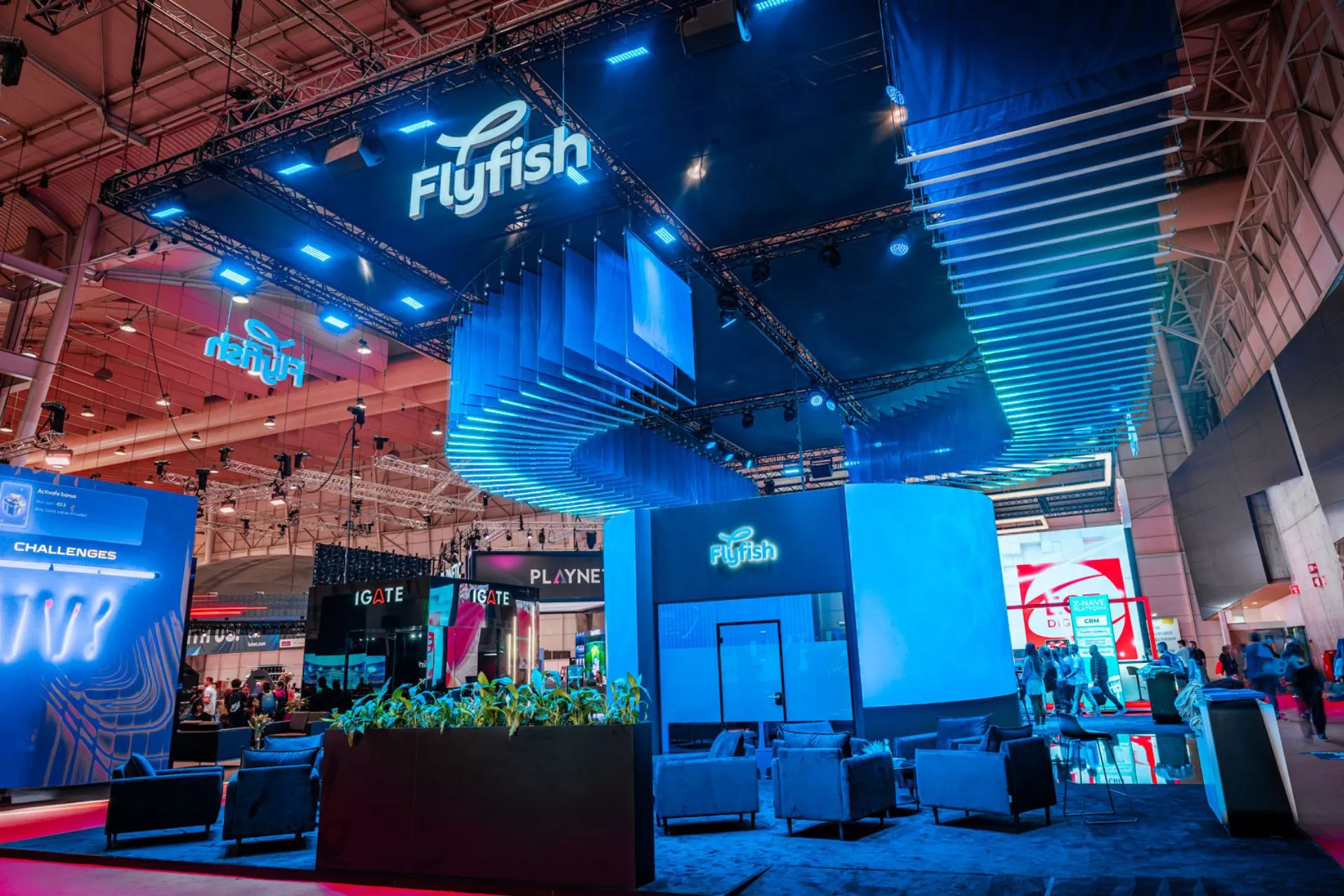
Strategic lighting design combined with specific rigging transforms trade show exhibits into captivating focal points, ensuring visibility and safety across Dallas-area venues like the KBHCCD and Dallas Market Hall.

Lighting Design Rigging focusLighting and rigging scopes aligned with ceiling rules
Venue checkpointTexas Live! Arena
Scope pressurePower Infrastructure Evaluation for Lighting Arrays
Lighting Design and Rigging in Dallas visual for Exhibit House of DallasService

Power Infrastructure Evaluation for Lighting Arrays

Determining the electrical backbone at venues like the Kay Bailey Hutchison Convention Center Dallas starts with scrutinizing utilities order forms, which detail circuit capacities and amperage limits essential for sustaining extensive lighting rigs. Planners calculate total connected load from moving heads, PAR cans, and strip lights, factoring in inrush currents that could trip breakers during peak show hours. This upfront analysis prevents overloads in shared power zones common to large halls, where multiple exhibits compete for three-phase feeds.

Integration of dimming protocols and data lines for DMX control requires mapping cable runs against venue floorplans, ensuring runs do not exceed voltage drop thresholds over distances typical in expansive spaces like Dallas Market Hall. Coordination with facility electricians via service partner directories guarantees that temporary power drops align precisely with fixture placements, accommodating both high-voltage spotlights and low-energy LEDs in hybrid setups.

Monitoring consumption during setup phases at docks allows real-time adjustments, such as redistributing loads across phases to balance the grid. This methodical approach not only safeguards equipment longevity but also upholds exhibitor responsibilities under venue exhibitor guidelines, minimizing downtime from electrical faults.

  • Review KBHCCD utilities specs for 208V/400A services
  • Account for 20% buffer in load calculations
  • Prioritize daisy-chaining limits per circuit

Rigging Engineering and Venue Compliance

Rigging commences with engineering drawings that specify point loads, wind sway factors, and safety factors exceeding 5:1 ratios mandated implicitly through venue service partner protocols at the Kay Bailey Hutchison Convention Center Dallas. Truss grids spanning 20x40 foot booths demand verification against ceiling grids or pipe grids, with motor winches calibrated for specific height adjustments during focus sessions.

Securing motor points involves submitting plans to general contractors or exhibitor-appointed contractors listed in venue directories, ensuring chain hoist capacities match fixture weights including cabling bundles. In hotel convention settings like the Omni Dallas Hotel, lower ceilings necessitate beam clamps over full trusses, adapting designs to spatial constraints without compromising sightlines.

Safety inspections prior to show open incorporate proof-load testing at 125% capacity, documented for dismantle crews. This rigorous framework aligns with dock access rules, where oversized rigging components like totem poles require flagged escorts during transport to exhibit halls.

  • Engineer for 10G rigging points minimum
  • Certify all motors to ETL standards
  • Schedule 48-hour advance rigging windows

Photometric Design for Exhibit Impact

Photometric simulations using software like Vectorworks model lux levels across booth surfaces, targeting 500-1000 lux for product highlights while avoiding glare hotspots in viewer zones at venues such as Fashion Industry Gallery. Layered lighting schemes blend key, fill, and backlights to accentuate textures, with color temperatures tuned to brand palettes for consistency under mixed ambient conditions.

Fixture selection prioritizes beam angles suiting booth depths, from narrow 10-degree spots for tall towers to wide 60-degree washes for wall graphics. Integration of blacklight effects or UV washes requires pre-checking power harmonics against venue utility tolerances, preventing interference with adjacent exhibits' audio systems.

Iterative refinements post-mockup incorporate feedback on shadow patterns, ensuring even coverage during multi-day events. This data-driven methodology maximizes ROI by driving dwell time, directly informed by high-traffic patterns observed in Dallas convention corridors.

Cable and Control System Integration

DMX cabling architectures employ star topologies to minimize signal degradation over 300-foot runs typical in Kay Bailey Hutchison Convention Center Dallas halls, with opto-isolators buffering against ground loops. Control consoles positioned in tech closets interface wirelessly where permitted, syncing with show control for automated cues tied to presentation schedules.

Power distribution via cam-lok extensions follows color-coded standards, segmented into 20A/120V and 60A/208V branches matching fixture clusters. Venue dock protocols influence bundling strategies, with protective conduit shielding cables during floor transport to prevent abrasions from pallet jacks.

Backup UPS units sustain console operations during brief outages, scripted failover ensuring coordinated transitions. Comprehensive labeling facilitates rapid troubleshooting, aligning with dismantle efficiency goals under tight turn schedules.

  • Limit DMX universes to 512 channels per branch
  • Use ferrite chokes on all data lines
  • Inventory cables by length for optimized runs

Load-In Logistics Through Venue Docks

Synchronized load-in at Kay Bailey Hutchison Convention Center Dallas docks mandates advance shipping manifests detailing lighting cases by weight and dimensions, slotted into assigned windows to evade peak congestion from GC freight. Forklift teams stage truss sections proximate to rigging bays, adhering to dock height restrictions for safe offloading.

Oversized LED video tiles integrated into lighting rigs travel in climate-controlled vans, positioned for direct elevator access to halls. Pre-rigging offsite where feasible reduces on-site time, with components hand-carried past bottlenecks to comply with no-wheel restrictions in carpeted areas.

Manifest reconciliation upon arrival verifies quantities against engineering specs, triggering immediate substitutions if discrepancies arise. This streamlined protocol mirrors practices across DFW venues, optimizing the critical path from dock to fly.

Installation and Focus Coordination

On-site installation unfolds in phases: truss erection follows grid surveys, with lasers ensuring plumb alignment before fixture hanging commences. Focus sessions leverage genie lifts for beam tweaking, capturing gel frames and barn doors per photometric renders amid ambient light interference.

Coordination with adjacent exhibits via service partner liaisons preempts spill light conflicts, employing egg crates on edge-lit fixtures. Sound checks validate strobe syncs without venue audio bleed, documented in daily logs for GC oversight.

Final walk-throughs confirm emergency egress illumination compliance, with battery backups verified operational. This phased handover positions the rig for show-ready status hours ahead of doors open.

  • Allocate 8-12 hours for full rig focus
  • Employ 2-person lift teams for fixtures over 50lbs
  • Photograph all connections Pre Power Up

Dismantle and Asset Recovery Protocols

Dismantle reverses installation sequence, powering down in reverse cue order to safely lower trusses amid exiting crowds at Dallas Market Hall. Inventory scans confirm 100% recovery of consumables like gels and gobos, boxed for outbound manifests matching inbound logs.

De-rigging prioritizes high-value items like movers for padded cases, with cabling coiled via over-under technique to prevent kinks. Dock outbound slots accommodate volume spikes, flagged for hazardous materials if fog fluid residues require special handling.

Post-event audits analyze runtime data for predictive maintenance, informing future designs. Venue exhibitor protocols at Hyatt Regency Dallas reinforce this closure, ensuring halls reset impeccably for subsequent events.

Performance Optimization and Troubleshooting

Real-time monitoring via console diagnostics tracks fixture temps and DMX packets, preempting failures through hot-swaps from spare banks. Glare recalibrations address dynamic crowd shadows, with mobile apps relaying adjustments from booth floor.

Integration with AV signals enables pixel-mapping for video-synced lights, tested pre-show against latency specs. Collaboration with GCs resolves cross-exhibit interference, leveraging shared wireless spectra management.

Longevity extends through IP65-rated housings suited to DFW humidity variances, with UV filters preserving lens clarity over multi-show tours. These optimizations sustain peak output, amplifying exhibit memorability.

  • Maintain 10% spare fixture inventory
  • Conduct hourly DMX signal checks
  • Log all interventions for warranty claims

FAQ

Common Questions on Trade Show Lighting Design and Rigging

How do venue utilities impact lighting design choices?

Venue utilities like those at Kay Bailey Hutchison Convention Center Dallas specify circuit limits and voltages, dictating fixture power draws and distribution strategies to prevent overloads during extended show runs.

What rigging approvals are required for overhead systems?

Plans must route through service partners or GCs per venue directories, verifying load capacities against structural charts before permitting truss or motor installations.

How is equipment handled at convention center docks?

Advance manifests schedule dock access for cases, with forklift staging and elevator prioritization ensuring timely transfer to exhibit spaces without delaying other exhibitors.

Can lighting integrate with booth fabrication elements?

Yes, designs incorporate structural steel for hidden rigging points, blending fixtures in the right order with custom millwork for cohesive visual impact.

What testing occurs before show opening?

Full proof-loading, focus sessions, and DMX integrity checks confirm operational readiness, with backups tested for failover reliability.

How is dismantle coordinated to meet tight turnarounds?

Phased de-rigging follows reverse setup order, with scanned inventories expediting outbound shipping aligned to venue dock protocols.

Start the conversation

Optimize Your Exhibit Lighting Today

Contact our coordination specialists to blueprint lighting and rigging tailored to your DFW venue, ensuring predictable execution from design through dismantle.

Start your scope